Is Tie Dye Toxic? Safety Guide for Skin, Kids, Pets, and Swallowing
Most tie-dye kits are not highly toxic when used as directed, and a properly rinsed tie-dye shirt is usually safe to wear. The main risks come from wet dye, dye powder, poor ventilation, sensitive skin, pets, children, or accidentally swallowed dye.
Quick Answer: Is Tie Dye Toxic?
5-second safety checkWearing washed tie dye
A tie-dye shirt is usually safe to wear after it has been properly rinsed and washed. Wash handmade or newly dyed clothing before first wear.
Wet dye on skin
Wet dye may irritate skin, especially for sensitive users. Wash the area with soap and water, and avoid long skin contact.
Dye powder
Dye powder should not be inhaled. Mix powders carefully, use ventilation, and avoid clouds of dust or aerosol.
Kids and babies
Children should not handle dye unsupervised. Baby clothes should be thoroughly rinsed and washed before use.
Pets
Keep pets away from wet dye, dye powder, and rinsing water. If dye gets on paws or fur, rinse it off and prevent licking.
Swallowed dye
Tie dye should not be swallowed. Contact poison control or a medical professional if dye powder, concentrated dye, or a larger amount is swallowed.
Tie Dye Safety at a Glance
Use this quick guide to decide when tie dye is low risk, when to be careful, and when to get professional help. This card layout is easier to read on mobile than a wide table.
Wearing a fully rinsed and washed tie-dye shirt
Usually safe for most people after proper rinsing and washing.
Wet dye touches skin
Wet dye may irritate sensitive skin or leave stains.
Dye powder is mixed or opened
Powder should not be breathed in, especially during mixing.
Dye gets in eyes
Eye contact can cause irritation, redness, or discomfort.
Kids or baby clothes
Children need supervision, and baby clothes need extra washing care.
Pets touch wet dye
Pets may lick dye from paws or fur if they step into wet dye.
Dye powder or concentrated dye is swallowed
Swallowing concentrated dye or powder should not be handled by guessing.
When Can Tie Dye Be Toxic or Irritating?
Tie dye is most likely to cause problems before the fabric is fully rinsed and washed. Wet dye, concentrated dye, and dye powder are the main things to handle carefully.

Wet or concentrated dye
Wet dye can stain skin and may irritate sensitive skin. Concentrated dye is more likely to cause problems than a finished, washed shirt.
Wear gloves, protect the work area, and wash skin quickly if dye touches your hands.

Poorly labeled or low-quality dye kits
Very cheap dye kits may have unclear instructions, weak labeling, or dye that does not bond well with fabric.
Choose reputable brands, read the label, and follow the safety instructions rather than relying on color or marketing claims alone.
Is Tie Dye Toxic to Skin, Kids, Pets, or After Washing?
Most readers do not need a chemistry lesson first. They need to know what to do in their specific situation.
Is tie dye safe for skin?
Finished, washed tie-dye clothing is usually safe for normal skin contact. Wet dye may irritate sensitive skin. For a deeper skin guide, read is tie dye safe for skin?
Is tie dye toxic to breathe?
Avoid breathing dye powder, dust, or aerosol. Mix powders slowly, use ventilation, and keep your face away from the container.
Is tie dye safe for kids?
Tie dye can be a supervised craft, but kids should not mix dye powder, handle concentrated dye, or use dye without an adult nearby.
Is tie dye toxic to pets?
Keep pets away from wet dye and dye powder. If dye gets on fur or paws, rinse it off and prevent licking. Contact a vet if symptoms appear.
Is tie dye toxic after washing?
Once tie dye is properly rinsed, set, and washed, it is usually low risk for normal wear. For washing steps, read how to wash tie dye without ruining color.
Is tie dye bad for the environment?
It depends on dye type, water use, rinsing, disposal, and production scale. For a fuller guide, see is tie dye eco-friendly?
What If Tie Dye Is Swallowed, Inhaled, or Gets in the Eyes?
Do not panic, but do not guess either. The risk depends on the dye ingredients, amount, concentration, symptoms, and the person’s age and health.
Rinse mouth and get guidance
If liquid dye gets in the mouth, rinse the mouth with water. If dye powder, concentrated dye, or a larger amount is swallowed, contact Poison Control or a medical professional.
Move to fresh air
If someone breathes dye powder or dust, move away from the source and get fresh air. Seek medical advice if coughing, wheezing, dizziness, throat irritation, or breathing trouble continues.
Rinse carefully
If dye gets in the eyes, rinse with clean water. Get medical or poison-control guidance if pain, redness, blurred vision, or irritation continues.
Natural vs Synthetic Tie Dye: Which Is Safer?
Natural and synthetic dyes can both be used responsibly, and both can cause problems if handled poorly. The safer choice depends on the ingredients, concentration, additives, rinsing, and the person using or wearing the fabric.

Natural dyes
Natural dyes may feel gentler in some craft contexts, especially when they use familiar plant materials such as indigo. But natural dyeing can still involve mordants, plant sensitivity, strong concentrations, or poor rinsing.
Synthetic dyes
Synthetic dyes can give stronger and more predictable color. Many craft dyes are designed for fabric use, but wet dye, powder, dust, residue, and unclear labeling still need careful handling.
How to Avoid Toxic or Irritating Tie Dye Problems
Most tie dye safety problems are preventable. Treat dye like a craft chemical, not like food coloring or body paint.
Read the label first
Check whether the dye is intended for fabric, whether it is labeled non-toxic, and what the product says about gloves, ventilation, and first aid.
Avoid breathing powder
Open and mix powder slowly, keep your face away from the container, and use good ventilation.
Wear gloves
Gloves reduce staining and help prevent wet dye from sitting on the skin for too long.
Keep kids and pets away
Do not leave dye powder, wet dye, or rinse water where children or pets can touch, lick, spill, or swallow it.
Rinse and wash thoroughly
Remove loose dye and residue before wearing. For detailed washing help, use the tie dye washing guide.
Fix mistakes safely
If colors bleed, stain, or look uneven, do not add random chemicals. Start with safer fixes in how to fix tie dye mistakes.
Common Questions About Tie Dye Safety
Use these quick answers for practical safety decisions before dyeing, washing, wearing, or letting kids help.
Is tie dye poisonous?
Most household tie-dye craft products are not highly poisonous when used as directed, but dye should not be swallowed, inhaled, or used on skin like body paint. Risk increases with powder, concentrated dye, large amounts, poor labeling, or symptoms.
Is a tie-dye shirt safe after washing?
Usually yes. A properly rinsed and washed tie-dye shirt is normally low risk for everyday wear. If the shirt still bleeds color heavily, wash it separately again before wearing.
Can tie dye irritate skin?
Wet dye, residue, harsh ingredients, and unwashed fabric can irritate skin, especially for people with eczema, allergies, or very sensitive skin. Read the full guide on tie dye and skin safety.
Is tie dye safe for baby clothes?
Be more cautious with baby clothing. Use well-labeled fabric dye, rinse and wash thoroughly, avoid harsh residues, and do not use freshly dyed fabric directly on a baby’s skin before washing.
Can tie dye hurt pets?
Wet dye or powder can be risky if pets lick it, step in it, or ingest it. Keep pets away from the dyeing area, rinse fur or paws if contact happens, and contact a vet if symptoms appear.
Should I use natural dye instead?
Natural dyes can be a good choice for traditional or lower-impact projects, but natural does not automatically mean risk-free. Check the ingredients, mordants, handling steps, and washing process. For cultural textile context, see Chinese tie dye and Dali Bai indigo craft.
What should I do if dye is swallowed?
Rinse the mouth and contact Poison Control or a medical professional if dye powder, concentrated dye, or a larger amount is swallowed, especially for children or symptoms. In the U.S., Poison Control provides online help and the 1-800-222-1222 hotline at poison.org.
Related Tie Dye Safety and Care Guides
Continue through the tie-dye problem-solving cluster with skin, washing, fading, eco, timing, and mistake-fixing guides.

Is Tie Dye Safe for Skin?
Learn what causes irritation and how to keep dyed fabric safer for normal wear.

How to Wash Tie Dye
Protect color, reduce bleeding, and prepare handmade dyed fabric for wearing.

Is Tie Dye Eco-Friendly?
Understand how dyes, water, washing, and materials affect sustainability.
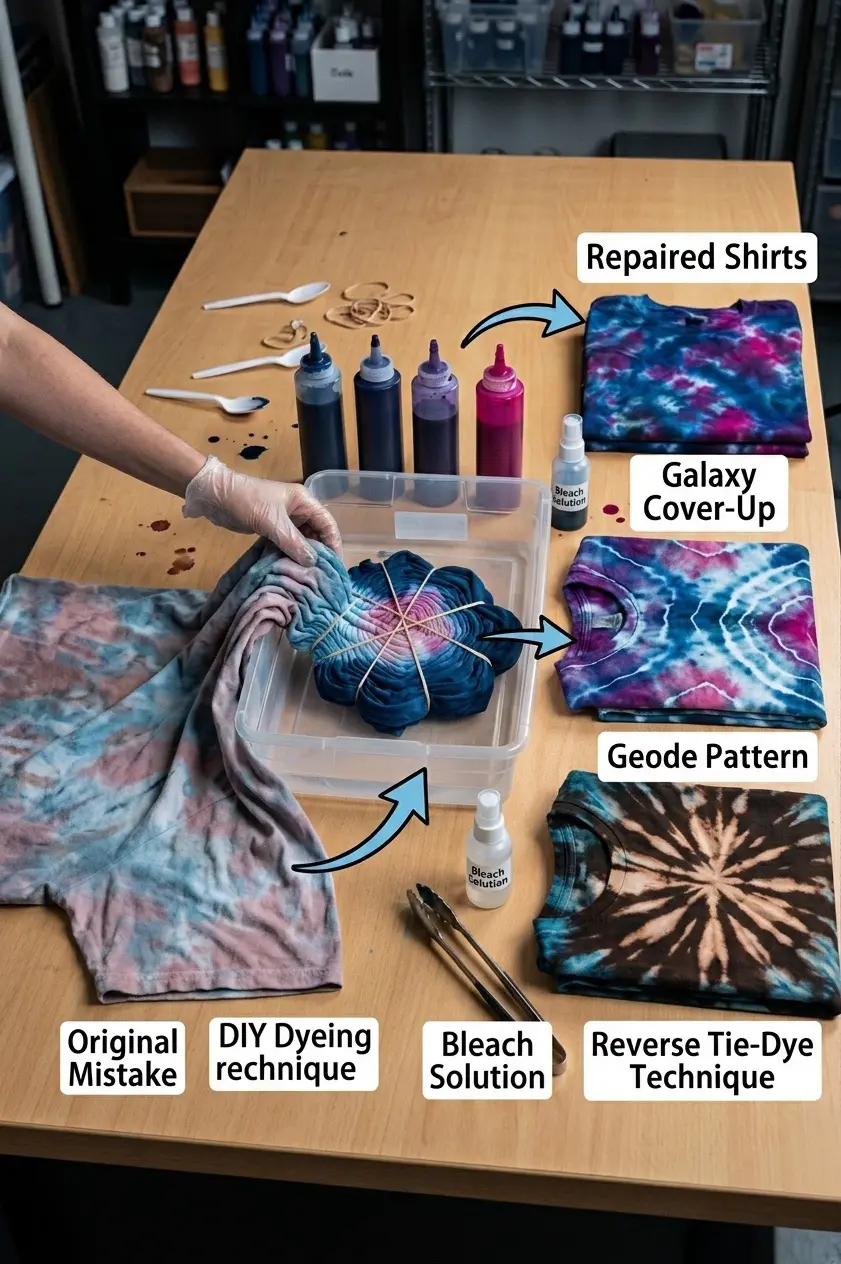
How to Fix Tie Dye Mistakes
Repair bleeding, faded color, uneven patterns, and beginner dyeing errors.
Tie dye is usually low risk after washing. The risky part is handling dye before it becomes clothing.
Treat wet dye and dye powder carefully, wash finished fabric before wearing, and use trusted instructions instead of guessing.
How Long Should Tie Dye Sit?
Learn when to rinse so dye has time to bond and colors are less likely to wash out.
Keep Tie Dye from Fading
Use better washing, drying, and fabric-care habits to protect dyed clothing.
Batik vs Tie Dye
Compare wax-resist batik with fold-and-bind tie dye to understand textile techniques.
Chinese Tie Dye
Explore Dali Bai indigo craft, regional textile traditions, and handmade dyeing context.