Is Tie Dye Eco Friendly or Harmful?
If you are wondering whether tie dye is eco friendly, the honest answer is: it depends. Natural dyes, handmade methods, reused fabrics, cold-water rinsing, and careful wastewater habits can make tie dye more sustainable.
But not all tie dye is automatically green. Synthetic dyes, heavy water use, fast-fashion production, and poor dye disposal can make the process less eco friendly.
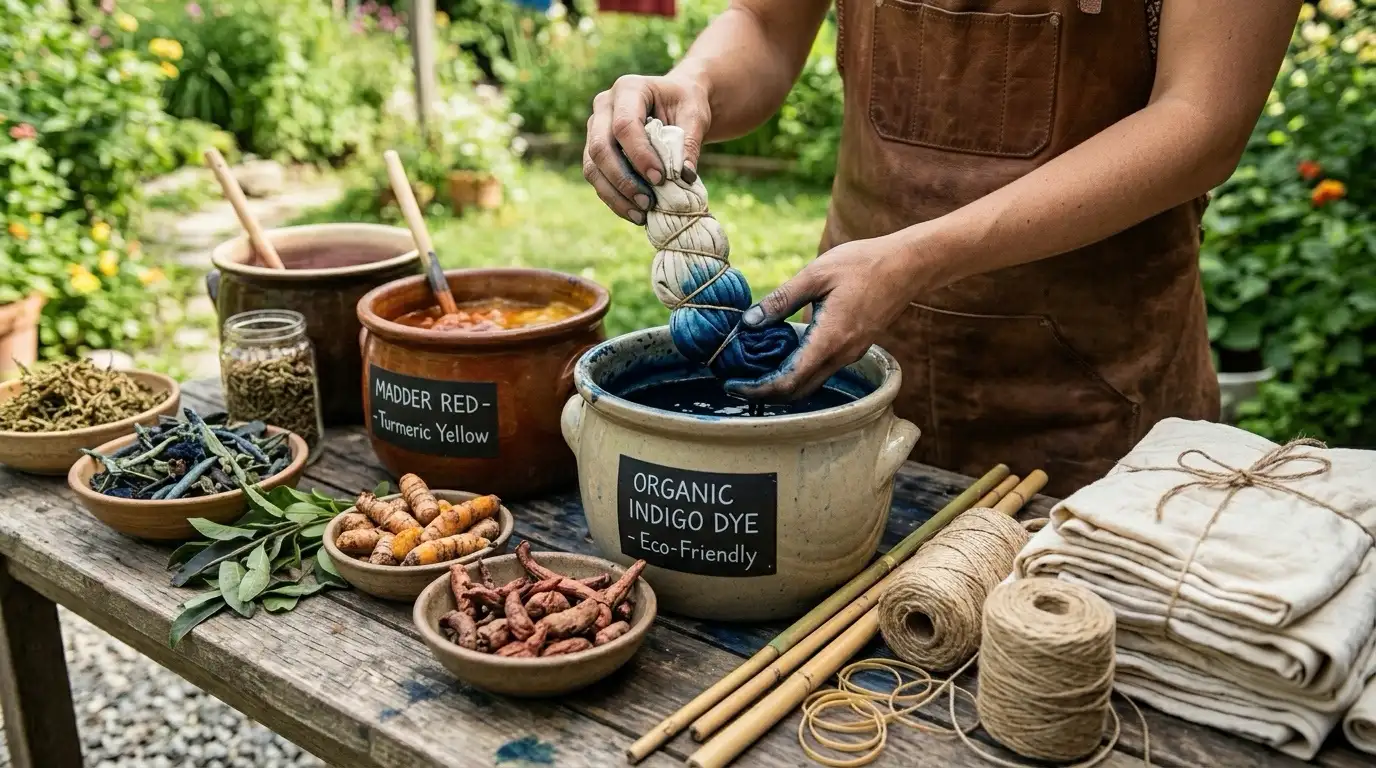
Quick Answer: Is Tie Dye Eco Friendly?
Tie dye can be eco friendly when it uses natural or low-impact dyes, durable fabrics, small-batch handmade methods, and careful rinsing. However, modern tie dye can also be harmful if it relies on harsh synthetic chemicals, excessive water use, disposable fast-fashion garments, or poor wastewater handling.
What Makes Tie Dye Eco Friendly?
Eco friendly tie dye is not just about whether the color comes from a plant. It also depends on fabric quality, how much water is used, how long the item lasts, and whether the dyeing process creates unnecessary waste.
Natural or Low-Impact Dyes
Natural dye materials such as indigo or plant-based pigments can reduce reliance on harsh chemicals, especially when used carefully in small batches.
Durable Natural Fabrics
Cotton, linen, hemp, and other long-lasting fabrics are better choices than disposable garments that are worn only a few times.
Handmade Process
Handmade tie dye can be more sustainable than mass production when it avoids overproduction, uses careful rinsing, and creates pieces people keep longer.
Natural Indigo Dye and Traditional Tie Dye
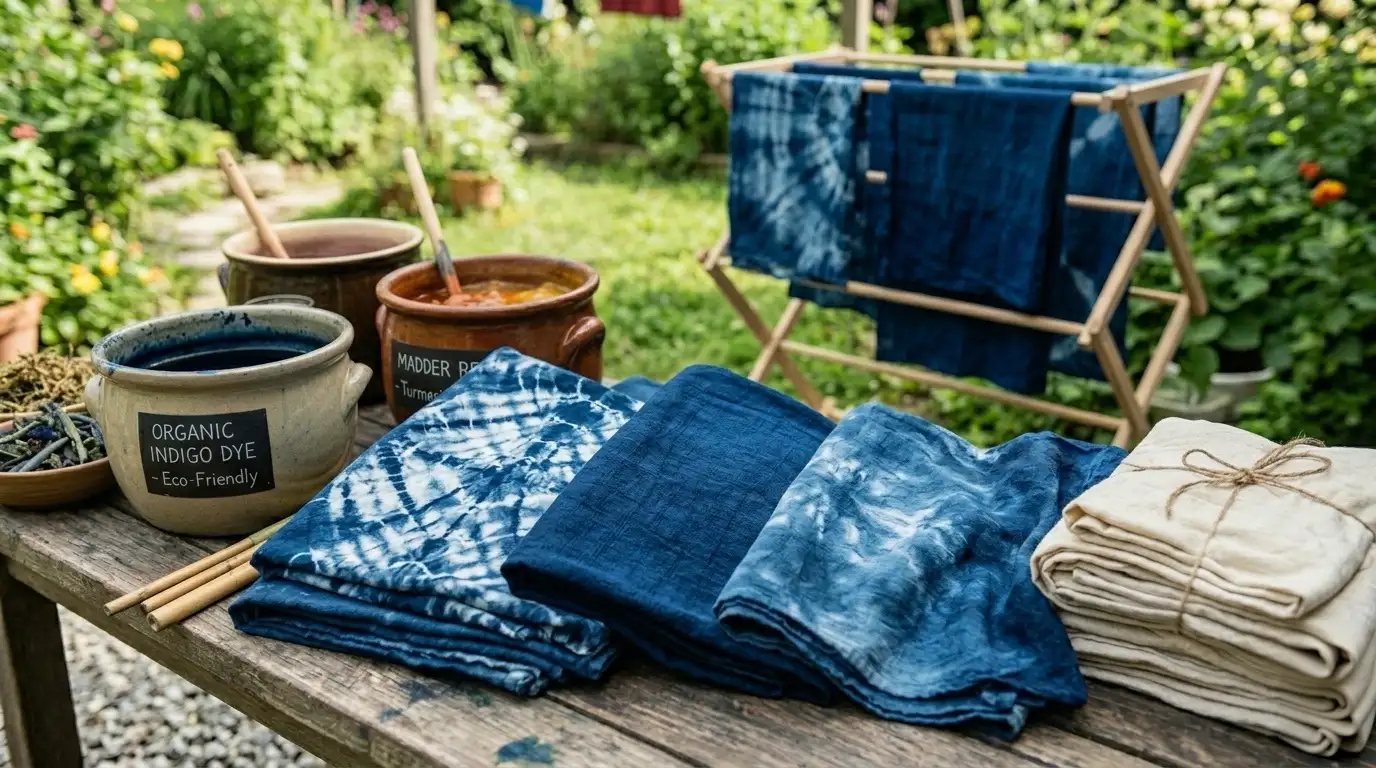
Natural indigo is often associated with traditional blue-and-white tie dye. It can feel more eco friendly than synthetic dye, but the full picture still depends on the mordants, washing process, fabric source, and wastewater handling.
If you want to understand this topic more deeply, read our guide on whether Chinese tie dye is truly natural.
When Tie Dye Is Not Eco Friendly
Tie dye becomes less sustainable when it is treated as a disposable trend instead of a long-lasting textile craft. The biggest issues are usually dye chemistry, water waste, poor washing habits, and fast-fashion production.
Synthetic Dyes
Modern chemical dyes can create pollution risks if they are handled, rinsed, or disposed of carelessly.
Water Waste
Tie dye requires rinsing, and careless rinsing can use more water than necessary.
Fast Fashion
Cheap tie dye garments that are worn briefly and discarded quickly are much less sustainable than durable pieces.
Natural vs Synthetic Tie Dye: Which Is Greener?
Natural dye is often seen as greener, but synthetic dye can sometimes be more colorfast and require fewer repeat dyeing attempts. The most sustainable choice depends on the whole process, not just the dye label.
Why Handmade Tie Dye Can Be More Sustainable
Handmade tie dye is not automatically eco friendly, but it can support more sustainable habits when it encourages slower production, smaller batches, repair, reuse, and a stronger emotional connection to clothing.
Unlike mass-produced fast-fashion items, handmade textiles are often kept longer because they feel personal. That longer use matters.
- Small-batch production can reduce overproduction.
- Handmade pieces are often repaired or kept longer.
- Traditional dyeing can preserve cultural knowledge.
- Durable fabric choices reduce waste over time.
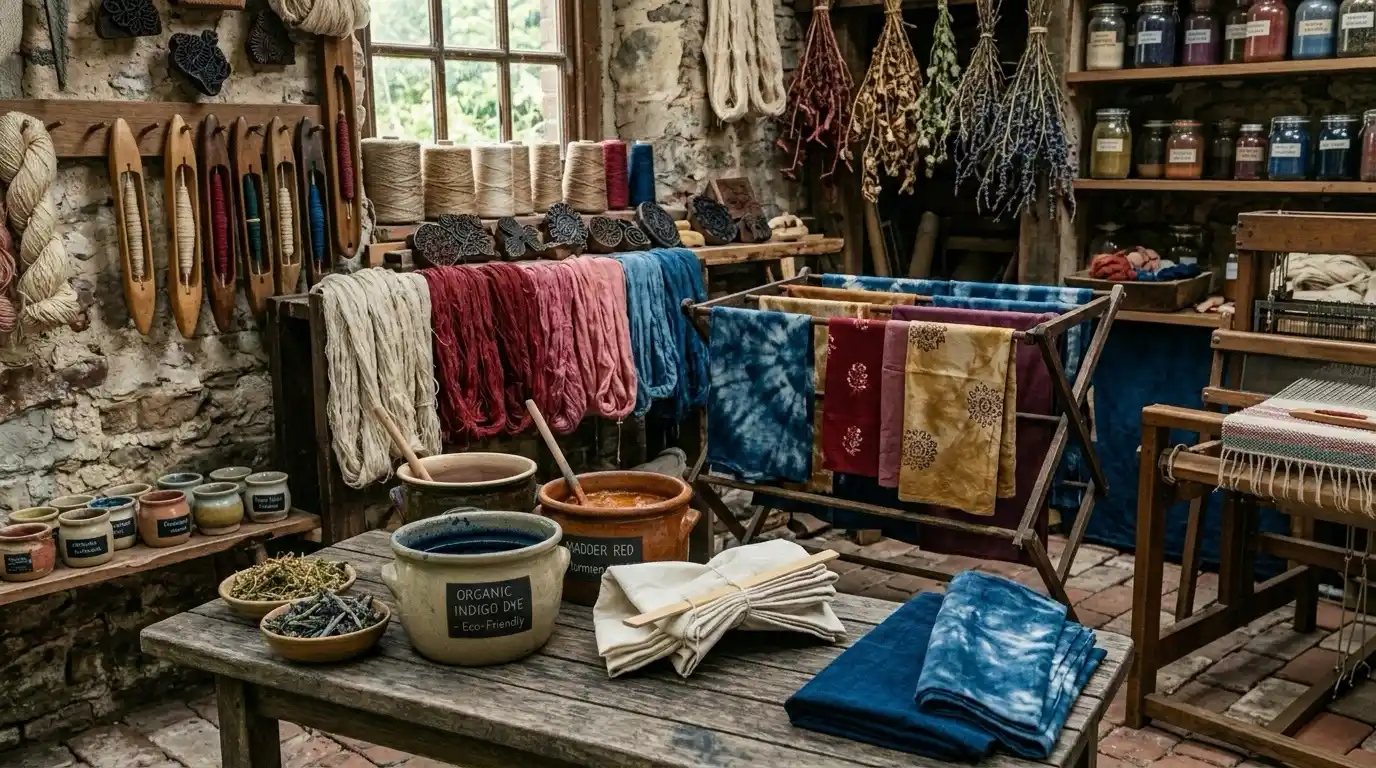
How to Choose More Eco Friendly Tie Dye
If you want tie dye that is more sustainable, focus on the whole life of the item: fabric, dye, washing, drying, and how long you will actually use it.
Choose durable fabric
Pick cotton, linen, hemp, or another fabric you will keep and wear for a long time.
Use gentler products
When washing dyed fabric, choose mild cleaners. EPA’s Safer Choice program can help you understand safer product labeling.
Wash carefully
Use cold water and avoid overwashing. Read how to wash tie dye without ruining the color.
Conclusion: So, Is Tie Dye Eco Friendly?
Tie dye can be eco friendly, but it is not automatically sustainable. The greenest version uses thoughtful materials, careful water habits, durable fabric, and a slow-craft mindset.
If you want a more sustainable option, traditional Chinese tie dye and natural indigo dyeing can be useful examples of slow textile craftsmanship. But even then, the full process matters: dye choice, fabric source, washing, drying, and how long the item is used.
Related Tie Dye and Craft Guides
These guides connect this eco-friendly article to your natural dye, traditional craft, and tie dye care cluster.
FAQ: Is Tie Dye Eco Friendly?
Is tie dye eco friendly?
Tie dye can be eco friendly if natural or low-impact dyes, durable fabric, careful water use, and responsible washing are used. It is less eco friendly when it relies on disposable clothing, harsh chemicals, or wasteful rinsing.
Is tie dye bad for the environment?
It can be harmful if dye chemicals, wastewater, or fast-fashion production are handled poorly. Small-batch handmade tie dye with careful washing is usually a better option.
Are natural dyes always sustainable?
Not always. Natural dyes may still require mordants, water, land, or careful disposal. Sustainability depends on the full process, not just whether the color comes from a plant.
What is the most eco friendly way to tie dye?
Use durable natural fabric, avoid overproduction, choose safer or natural dyes when possible, rinse carefully, wash in cold water, and keep the finished item for a long time.
Is traditional Chinese tie dye eco friendly?
Traditional Chinese tie dye can be more sustainable when it uses natural indigo, handmade production, and long-lasting fabric. But water use, dye preparation, and fabric source still matter.