Traditional Chinese Crafts: Types, Meanings, Materials, and Beginner Guides
Explore traditional Chinese crafts through beginner-friendly explanations of craft types, cultural meanings, materials, making techniques, practical projects, gift ideas, and places associated with living craft traditions in China.
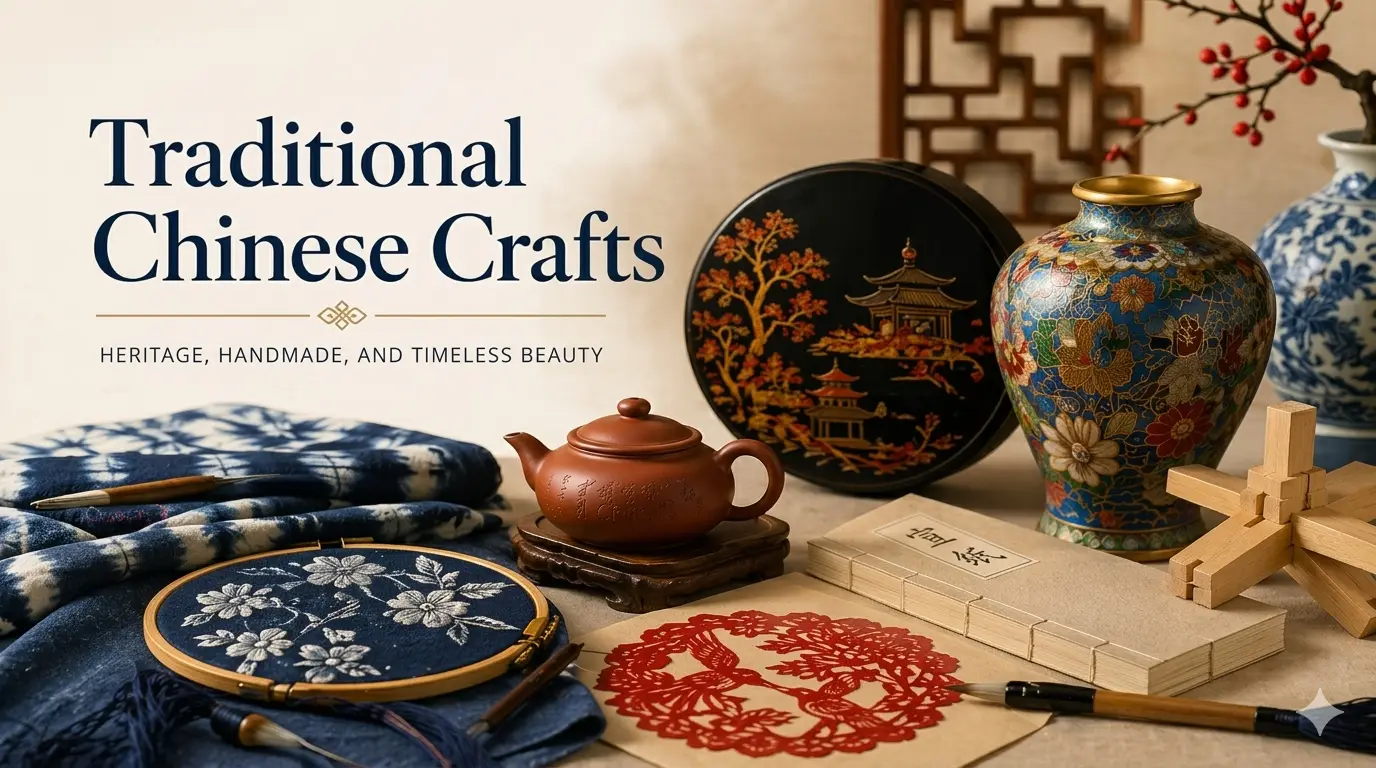
Quick comparison
Traditional Chinese Crafts at a Glance
Compare ten representative traditions by material, core technique, and what each craft is best known for.
Quick use: scan the differences here, then continue to the illustrated craft cards below for examples and related guides.
| Craft | Main material | Core technique | Known for |
|---|---|---|---|
| Chinese Embroidery | Silk or cloth, thread | Hand stitching | Regional motifs and textile art |
| Indigo Dyeing & Batik | Fabric, indigo dye | Resist dyeing | Blue-and-white textiles |
| Chinese Paper Cutting | Paper | Cutting and folding | Festival symbols and decoration |
| Cloisonné | Metal, wire, enamel | Wire cells and enameling | Colorful ornamental objects |
| Porcelain & Ceramics | Clay, glaze | Shaping and firing | Vessels, tableware, and tea culture |
| Chinese Lacquerware | Wood base, lacquer | Coating and polishing | Glossy decorative objects |
| Bamboo Weaving | Bamboo | Splitting and weaving | Baskets and daily-use objects |
| Mortise & Tenon Joinery | Wood | Interlocking joints | Furniture and architecture |
| Shadow Puppetry | Leather, rods, pigments | Cutting and carving | Folk performance and storytelling |
| Yixing Zisha Teapots | Purple clay | Hand shaping and firing | Chinese tea culture |
Featured craft types
10 Traditional Chinese Crafts to Discover
Start with 10 iconic craft traditions, from embroidery and indigo dyeing to porcelain, paper cutting, tea ware, wood joinery, and folk arts.
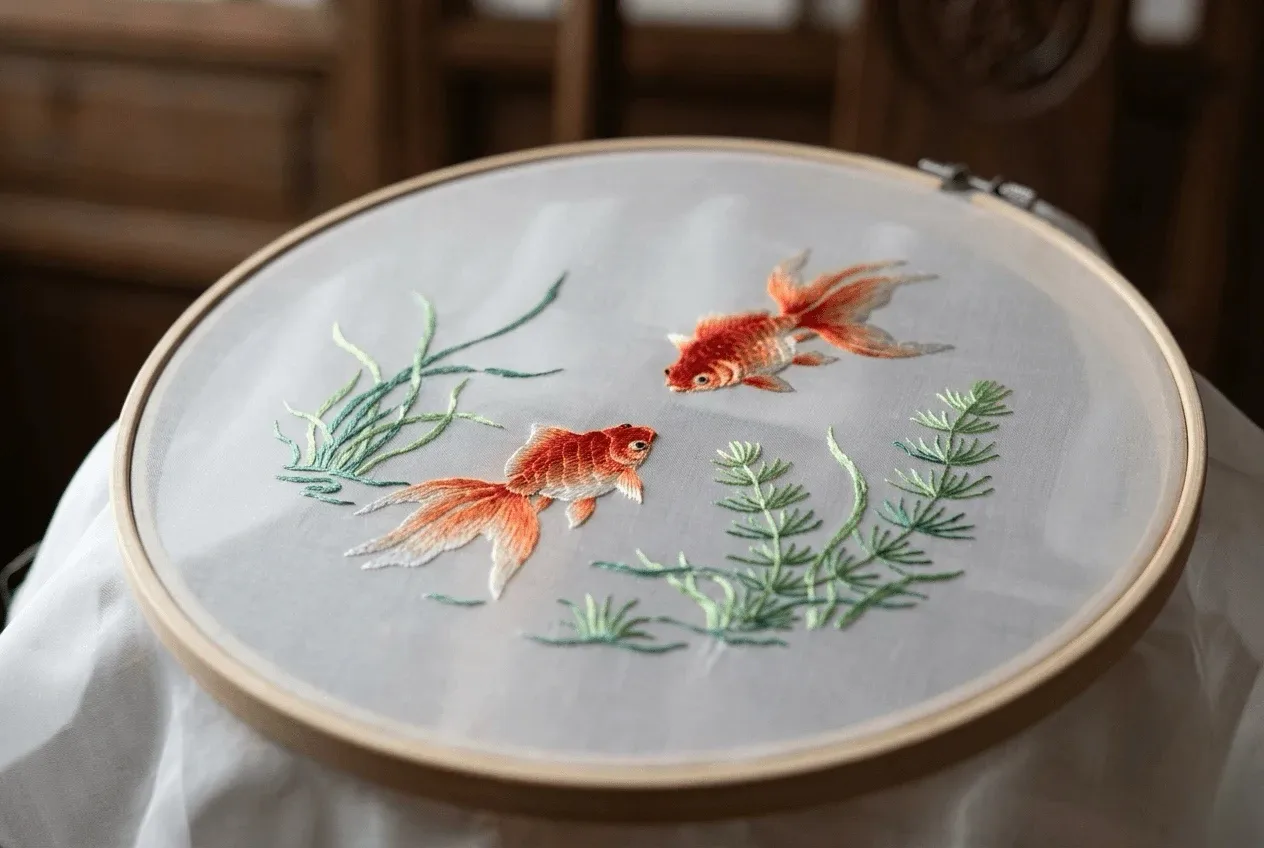
Chinese Embroidery
Delicate needlework known for regional styles, symbolic motifs, and textile storytelling.
Best for: pattern lovers and handmade textile beginners.
Explore this craft →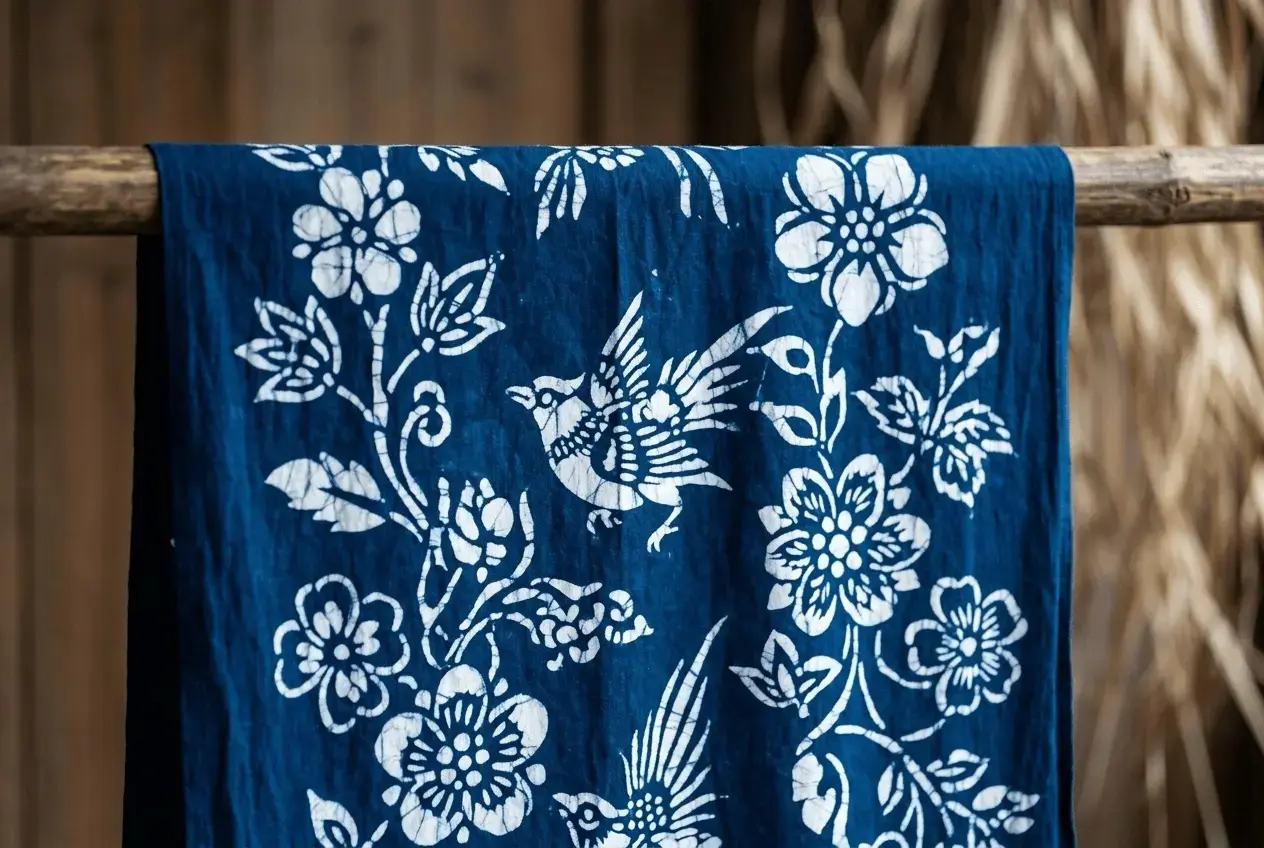
Indigo Dyeing & Batik
Blue-and-white textile traditions shaped by resist-dyeing, wax patterns, and regional craft knowledge.
Best for: textile lovers, fabric dye learners, and cultural travelers.
Compare batik and tie dye →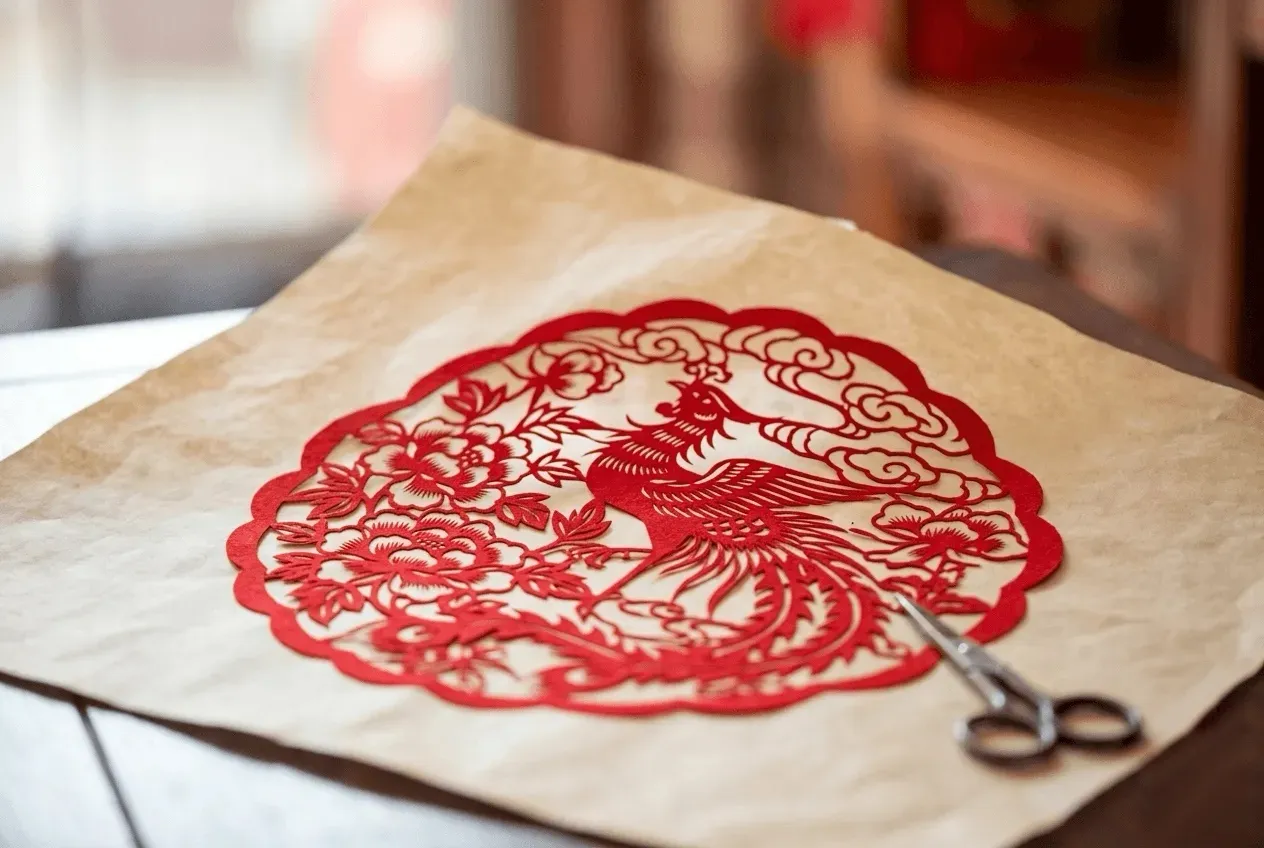
Chinese Paper Cutting
A festive folk art using paper, symbolic patterns, and hand-cut designs for celebration and decoration.
Best for: beginners, families, and simple DIY projects.
Explore paper cutting →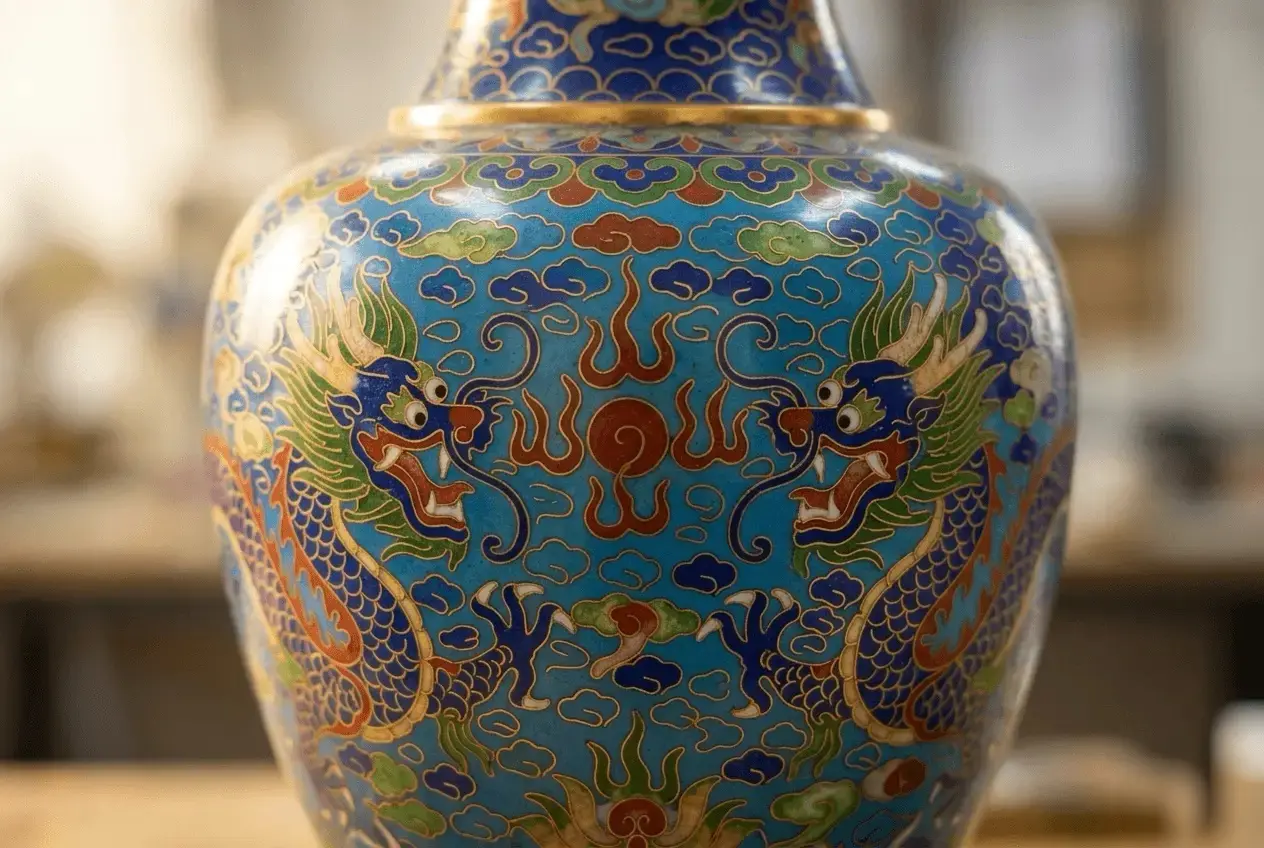
Cloisonné
A decorative enamel craft known for brilliant colors, fine metal lines, and ornamental beauty.
Best for: collectors, decor lovers, and gift inspiration.
See gift ideas →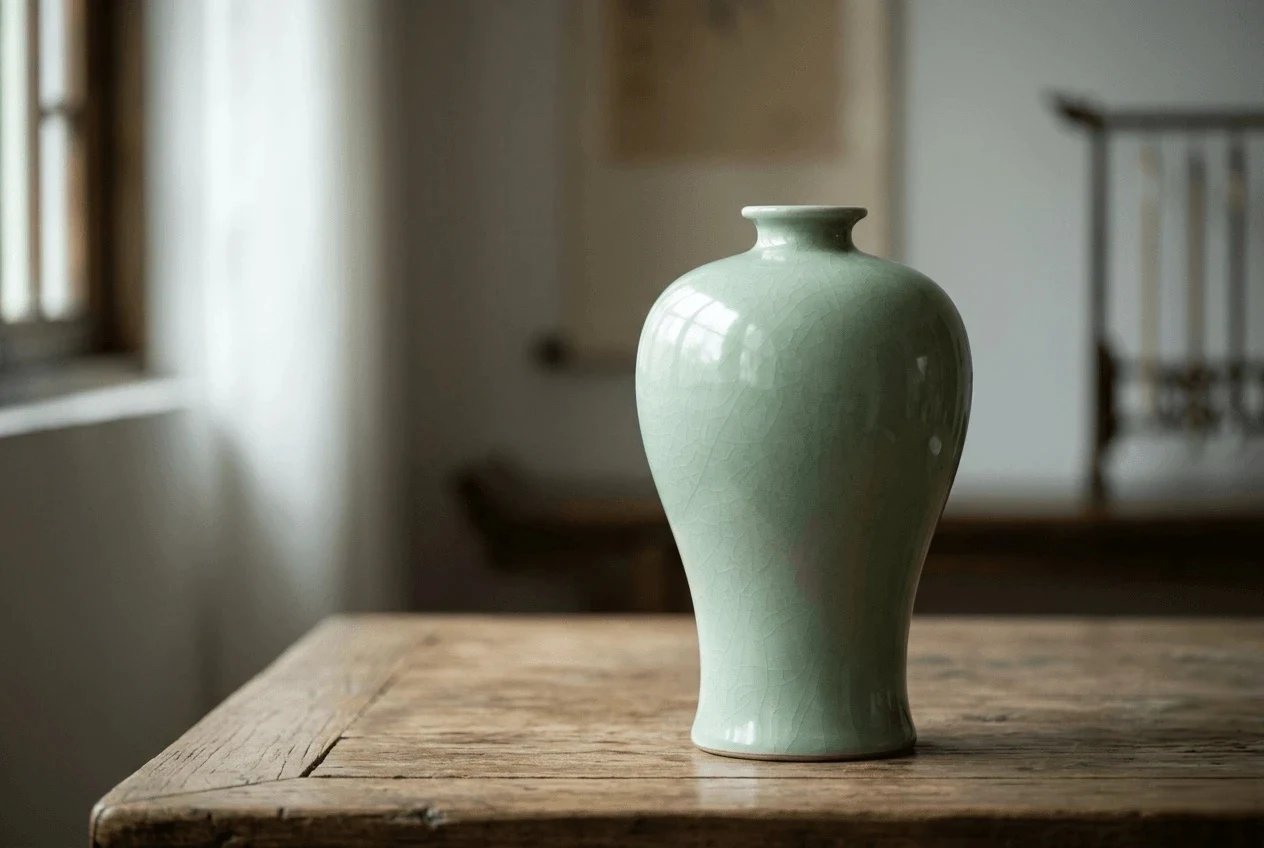
Porcelain & Ceramics
Ceramic traditions shaped by clay, glaze, firing, and regional styles such as Jingdezhen porcelain.
Best for: home decor, tea culture, and handmade gift ideas.
See porcelain experience →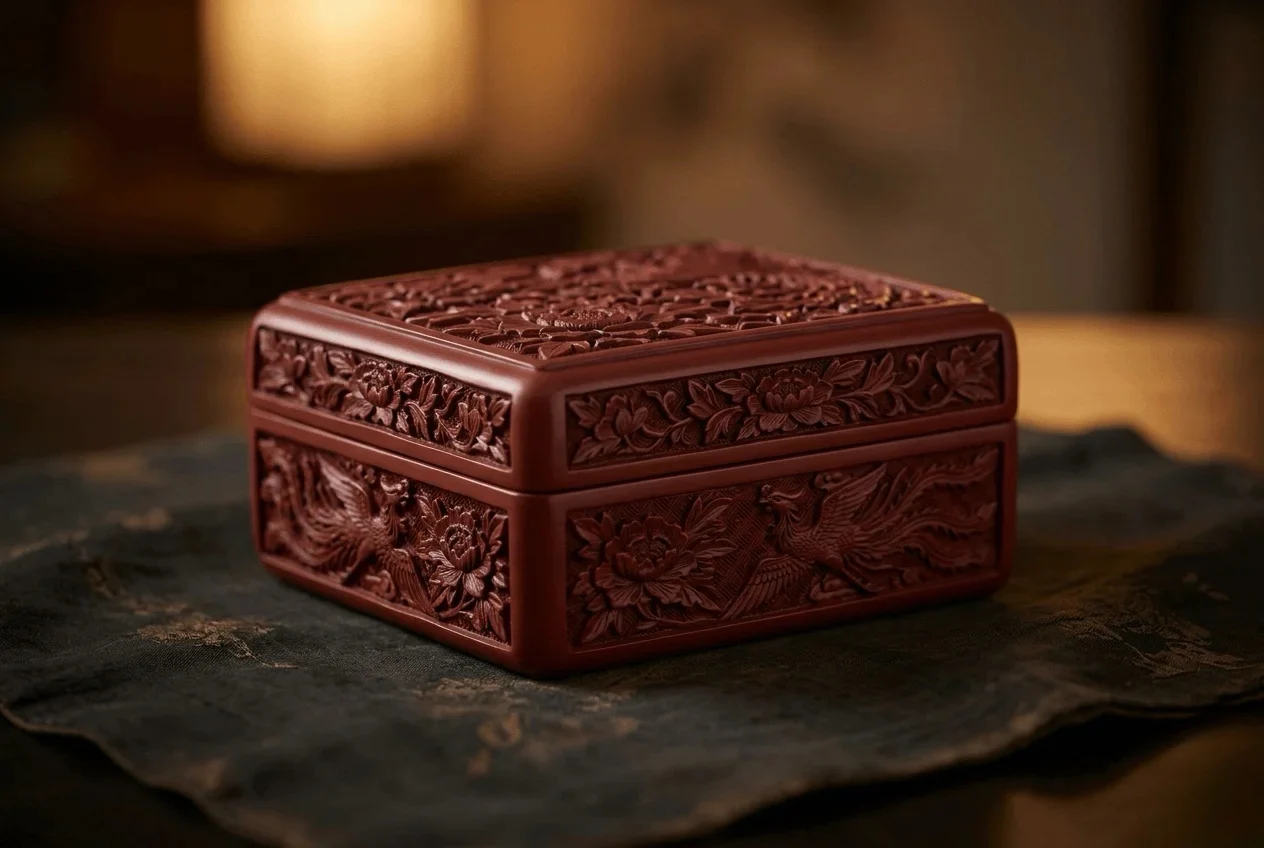
Chinese Lacquerware
Layered lacquer craft valued for its glossy surface, durability, and refined decorative finish.
Best for: home decor, collectors, and elegant cultural gifts.
See gift guide →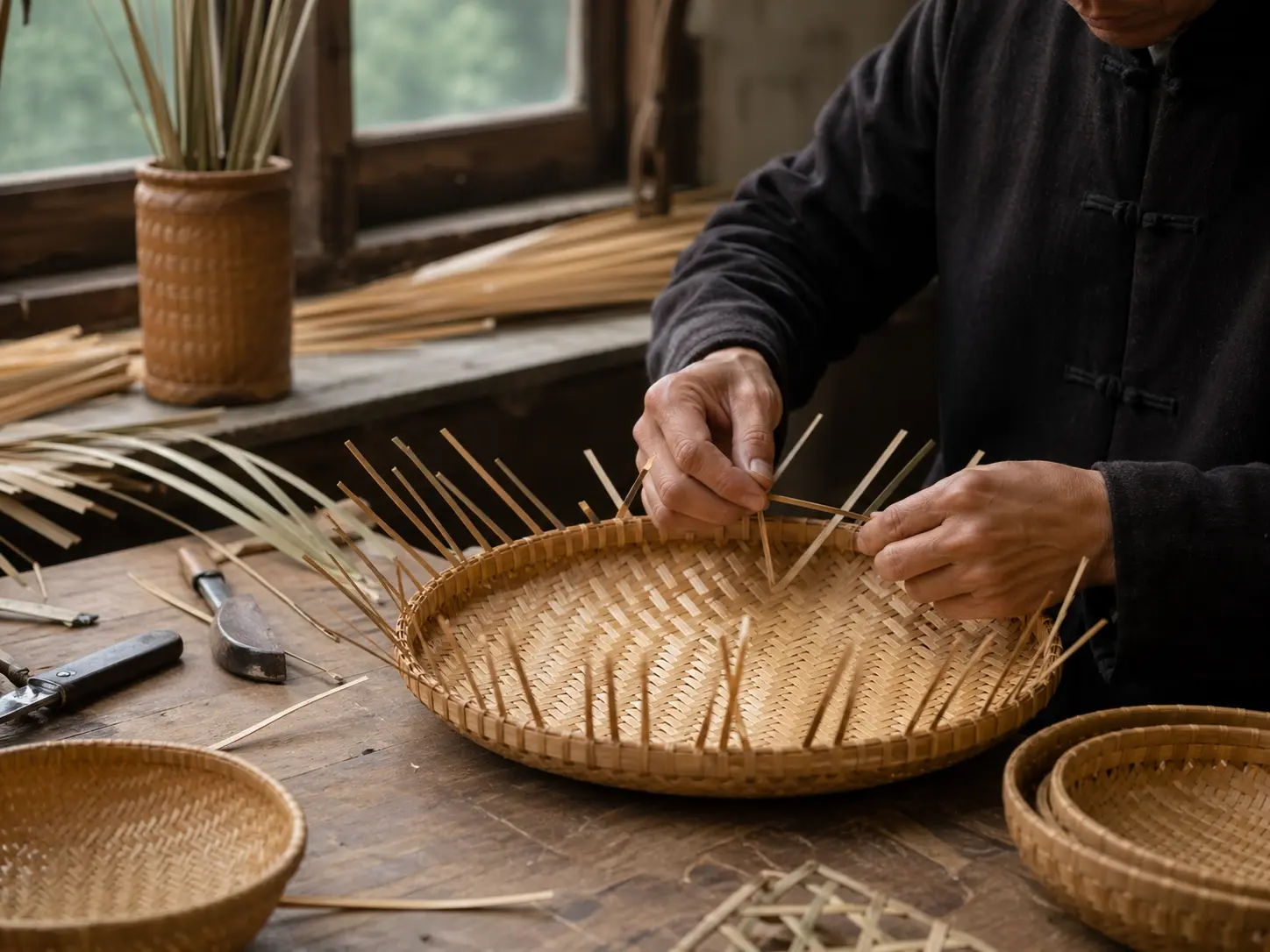
Bamboo Weaving
A practical handmade craft that turns bamboo into baskets, tools, storage pieces, and everyday objects.
Best for: natural materials, storage design, and daily-use crafts.
Explore more craft topics →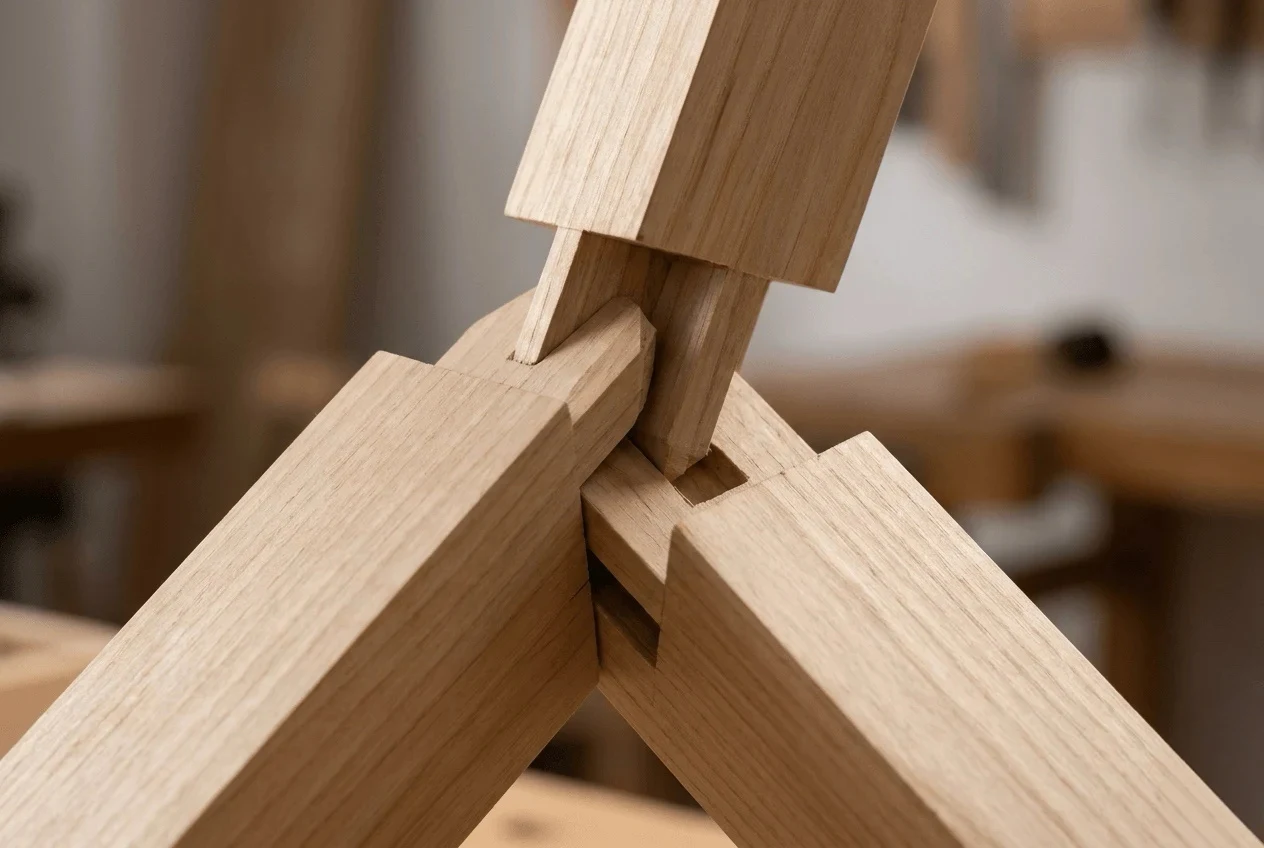
Mortise and Tenon Joinery
A woodworking method that connects structures without nails, using precise interlocking joints.
Best for: furniture, architecture, and craftsmanship lovers.
Why it matters →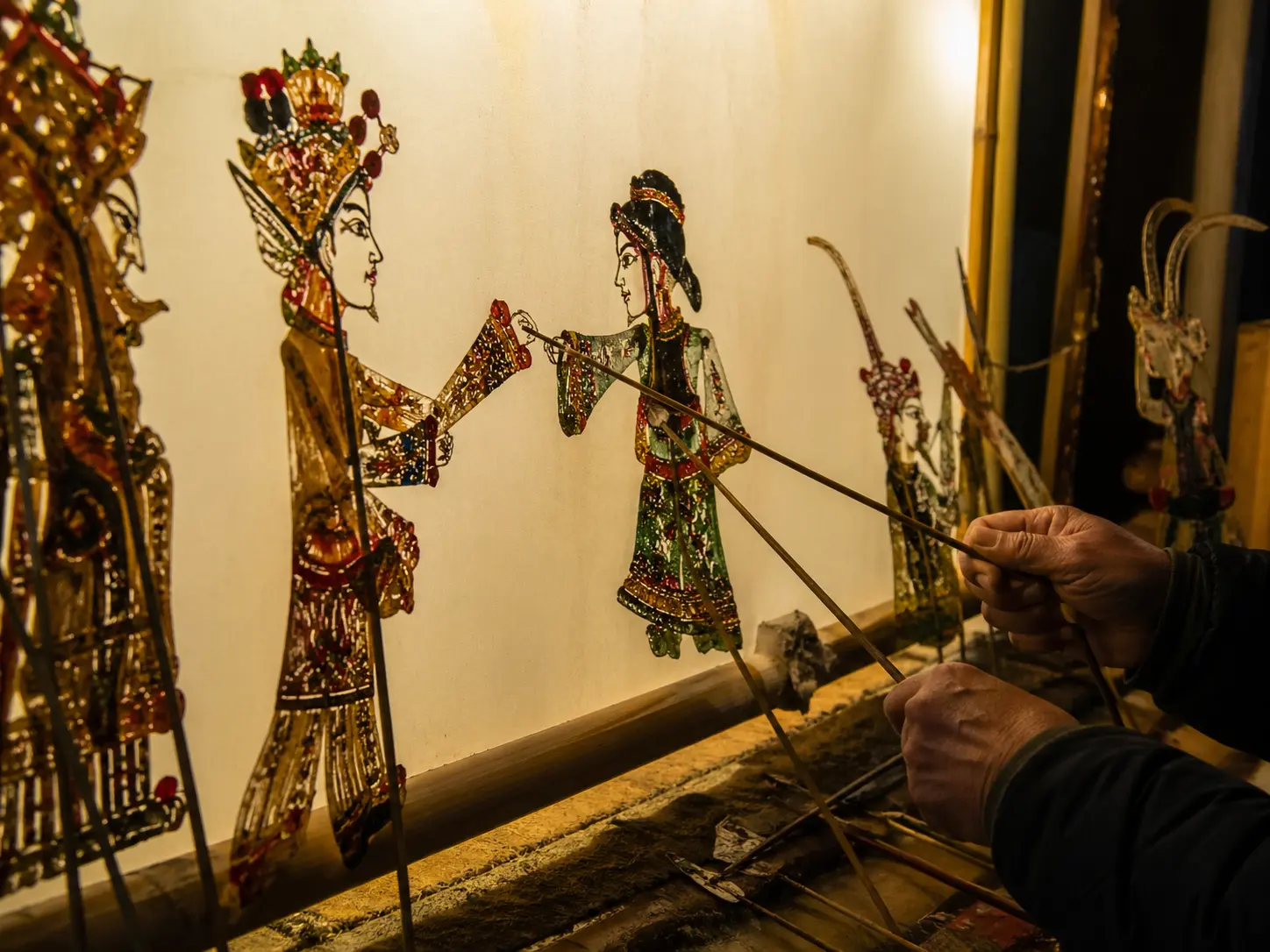
Shadow Puppetry
A folk performance craft that combines carved figures, light, music, and storytelling.
Best for: folk culture, storytelling, and family-friendly learning.
Explore folk arts →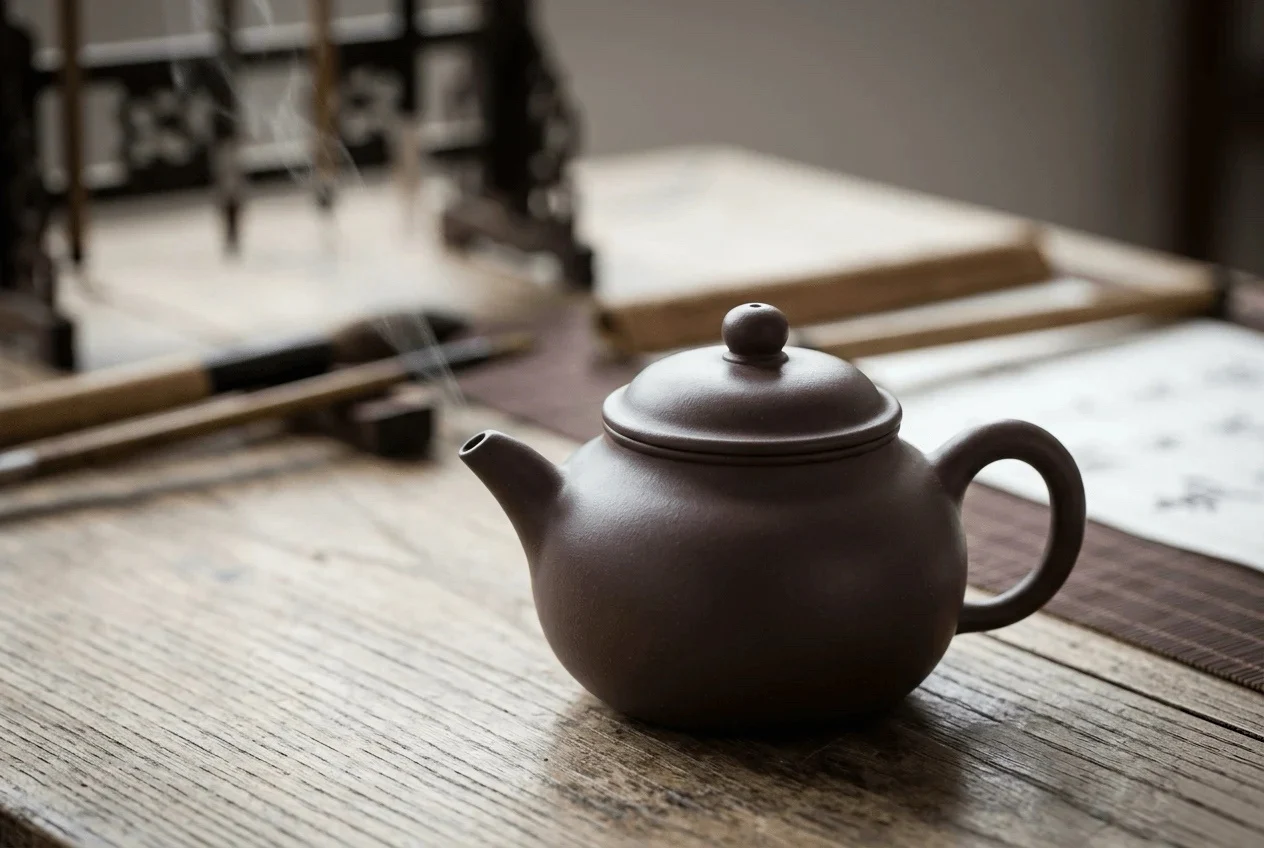
Yixing Zisha Teapots
Purple clay teaware connected with Chinese tea culture, hand-shaped forms, and daily ritual.
Best for: tea lovers, collectors, and meaningful handmade gifts.
See Yixing craft idea →Craft vs craftsmanship
What Does Traditional Chinese Craftsmanship Mean?
A craft usually refers to a particular tradition, object, or making practice, such as paper cutting, embroidery, porcelain, bamboo weaving, or zisha teapot making.
Craftsmanship focuses on the knowledge and skill behind those objects: material choice, tool control, technique, precision, regional methods, and how practical know-how is passed between makers.
The tradition or object
Paper cutting, porcelain, embroidery, lacquerware, bamboo weaving, and Yixing zisha teapots are examples of distinct craft traditions.
The skill behind the object
It includes materials, tools, sequence, hand control, regional technique, practical judgment, and the transfer of maker knowledge.
Start Here: Choose Your Path
Choose the route that matches your intent: learn the craft types, try an adult-friendly beginner project, plan a cultural experience, or find a meaningful handmade gift.
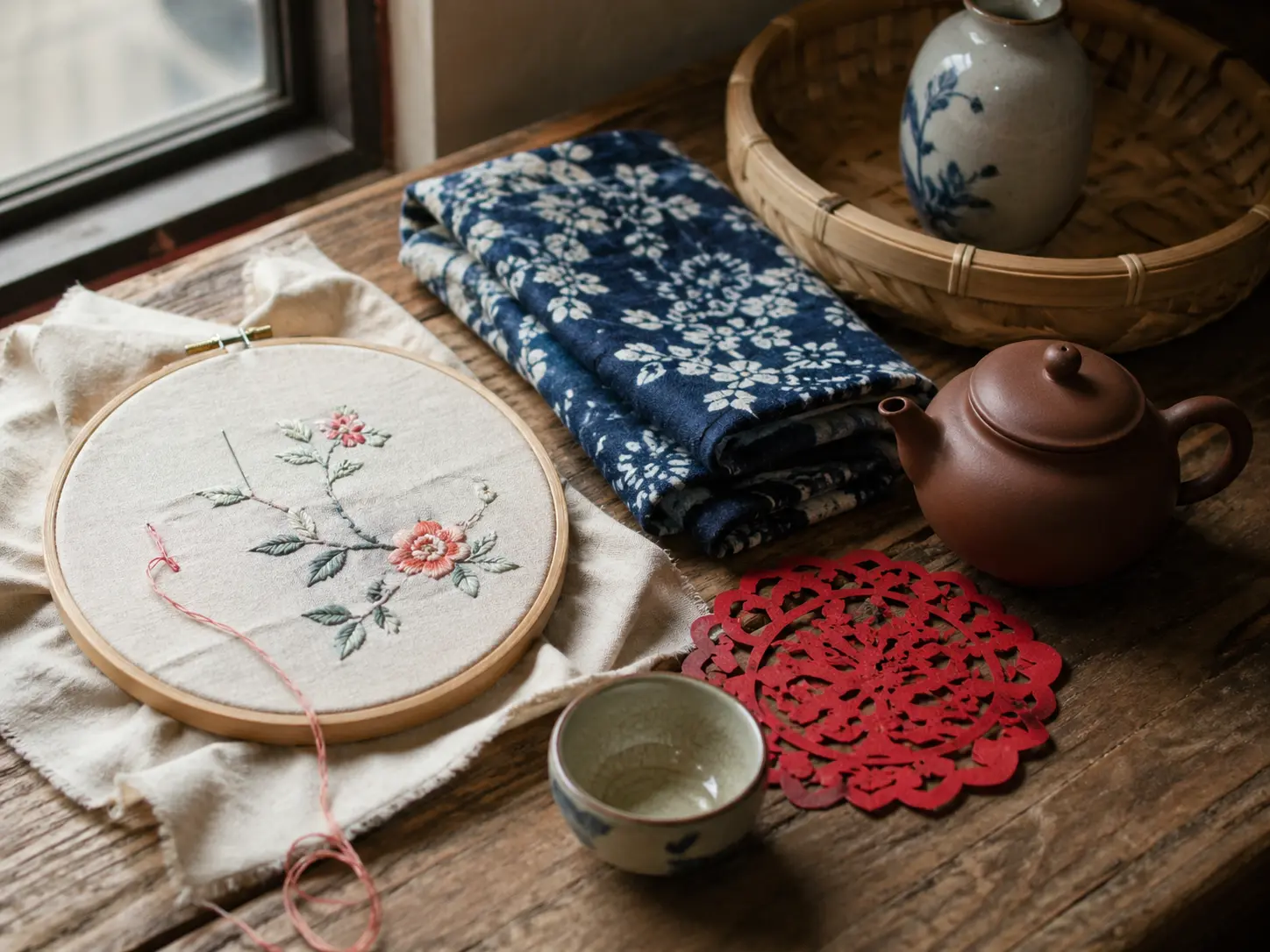
Browse Craft Types
Start with 10 representative craft traditions, from embroidery and indigo dyeing to porcelain and paper cutting.
Start with craft types →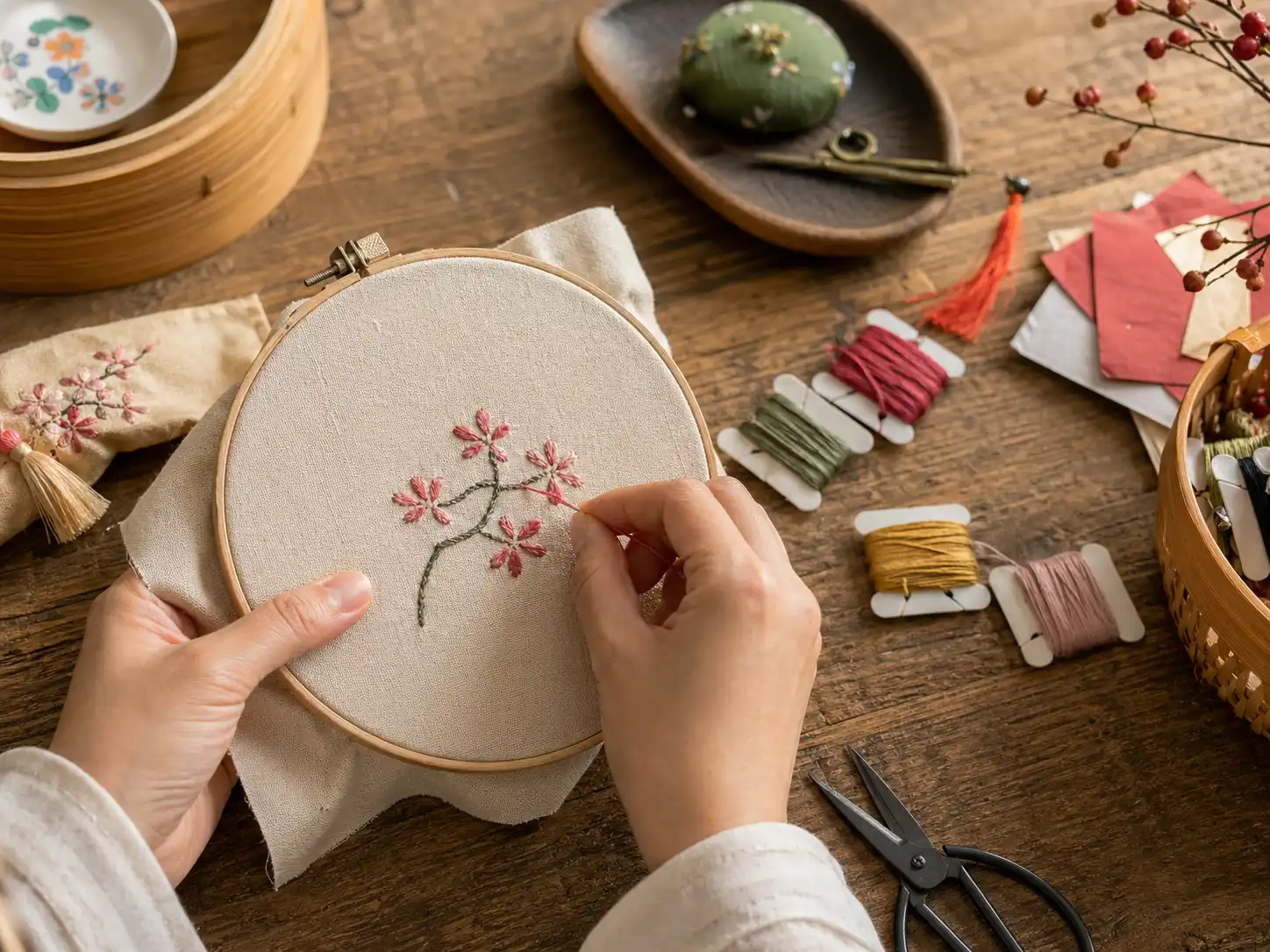
Try DIY Ideas
Find simple adult craft ideas, beginner materials, printable patterns, and gift-ready craft inspiration.
See adult craft ideas →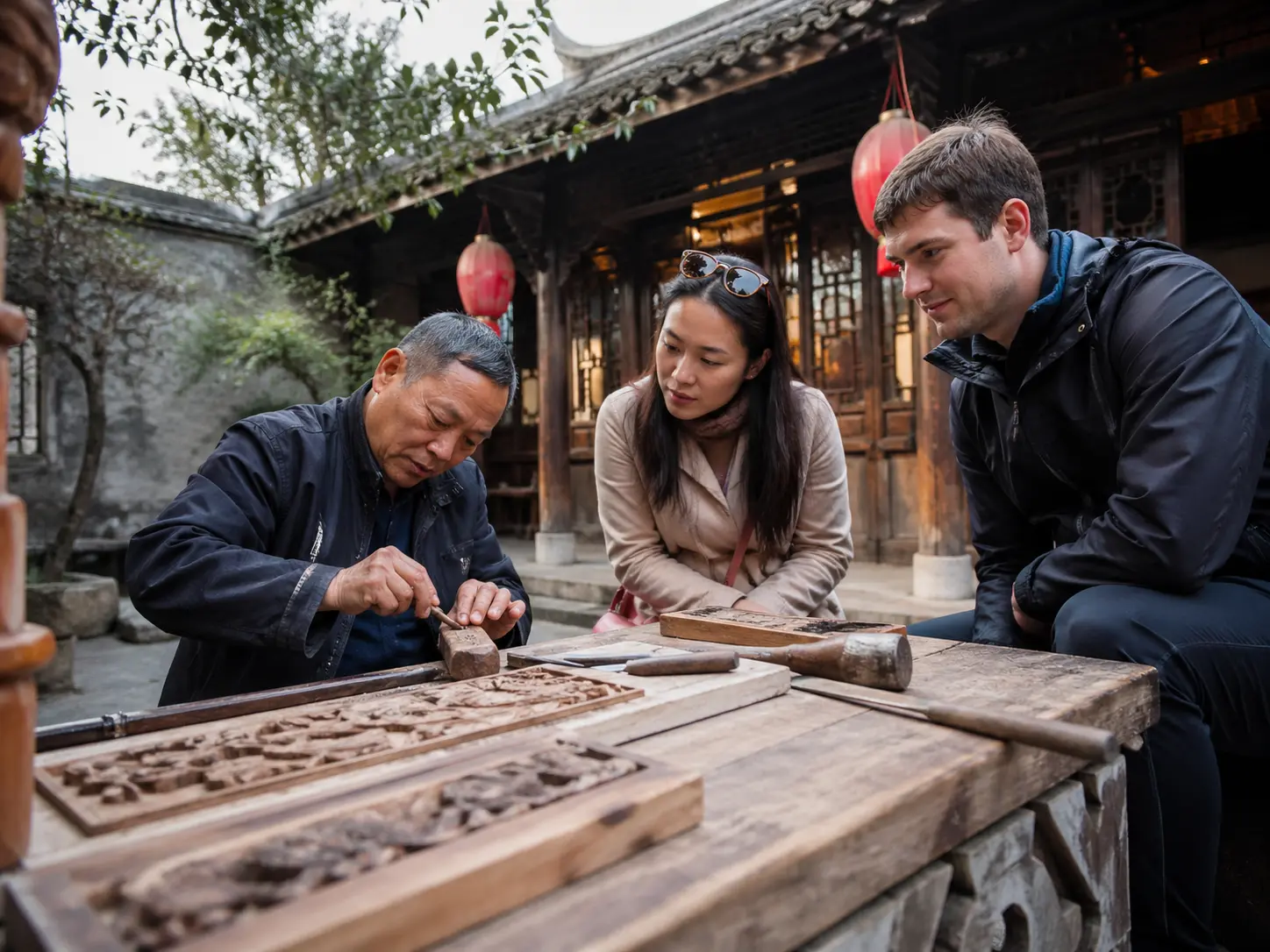
Find Craft Experiences in China
Discover places associated with tie-dye, embroidery, ceramics, teapot making, and hands-on workshops.
Find craft places →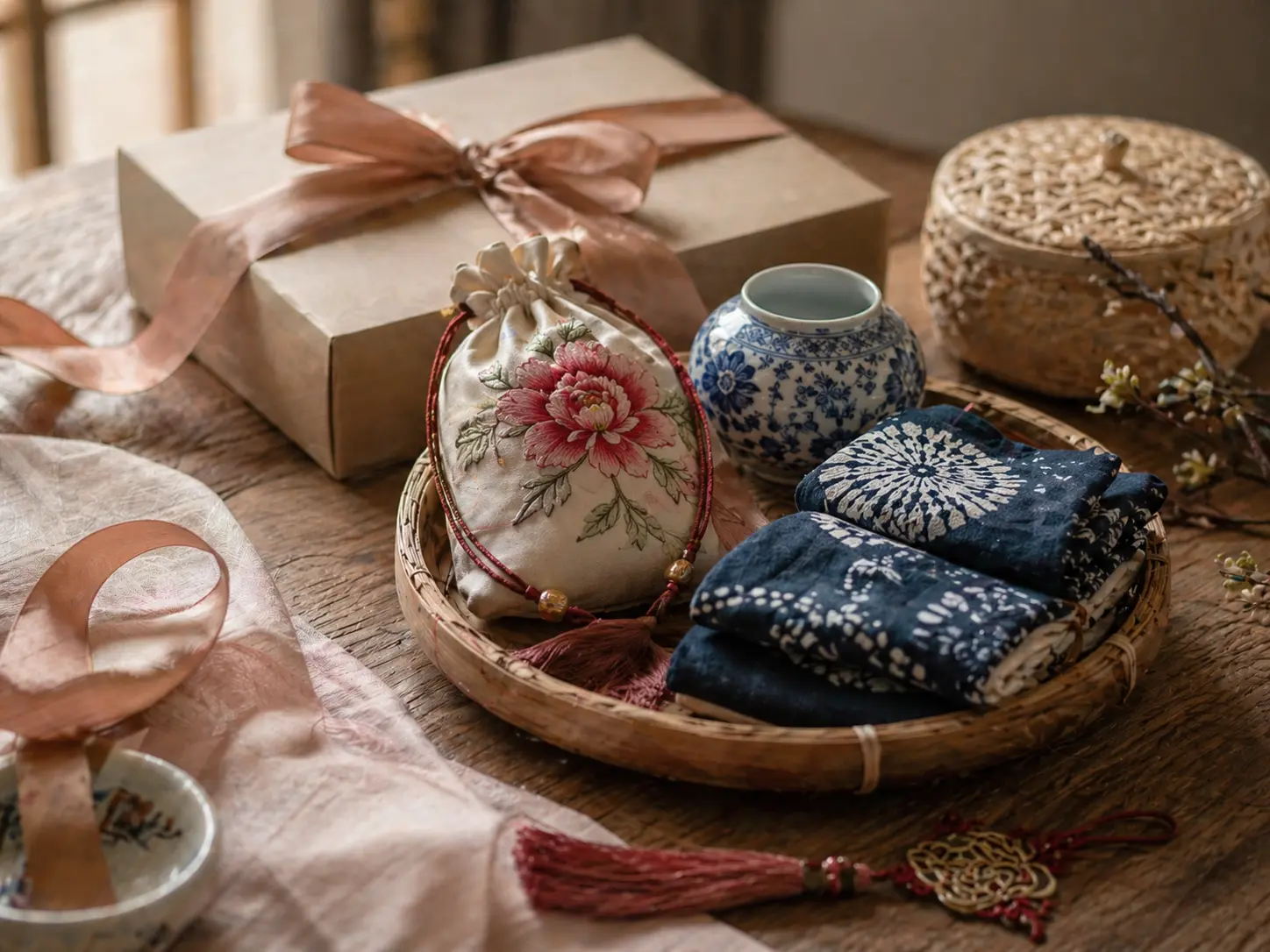
Gift & Cultural Inspiration
Find meaningful cultural gifts by recipient, occasion, budget, craft type, and symbolic meaning.
Browse gift ideas →Adult craft ideas
Chinese Crafts for Adults: Easy Ways to Start
If you are looking for Chinese crafts for adults, start with projects that are calm, useful, and easy to finish: paper-cut inspired cards, printable gift tags, indigo textile samples, embroidery motifs, or small cultural gift details.
The best adult-friendly craft path is not always the most complex one. Choose a project by time, materials, skill level, and whether you want a finished gift, a decorative object, or a cultural learning activity.
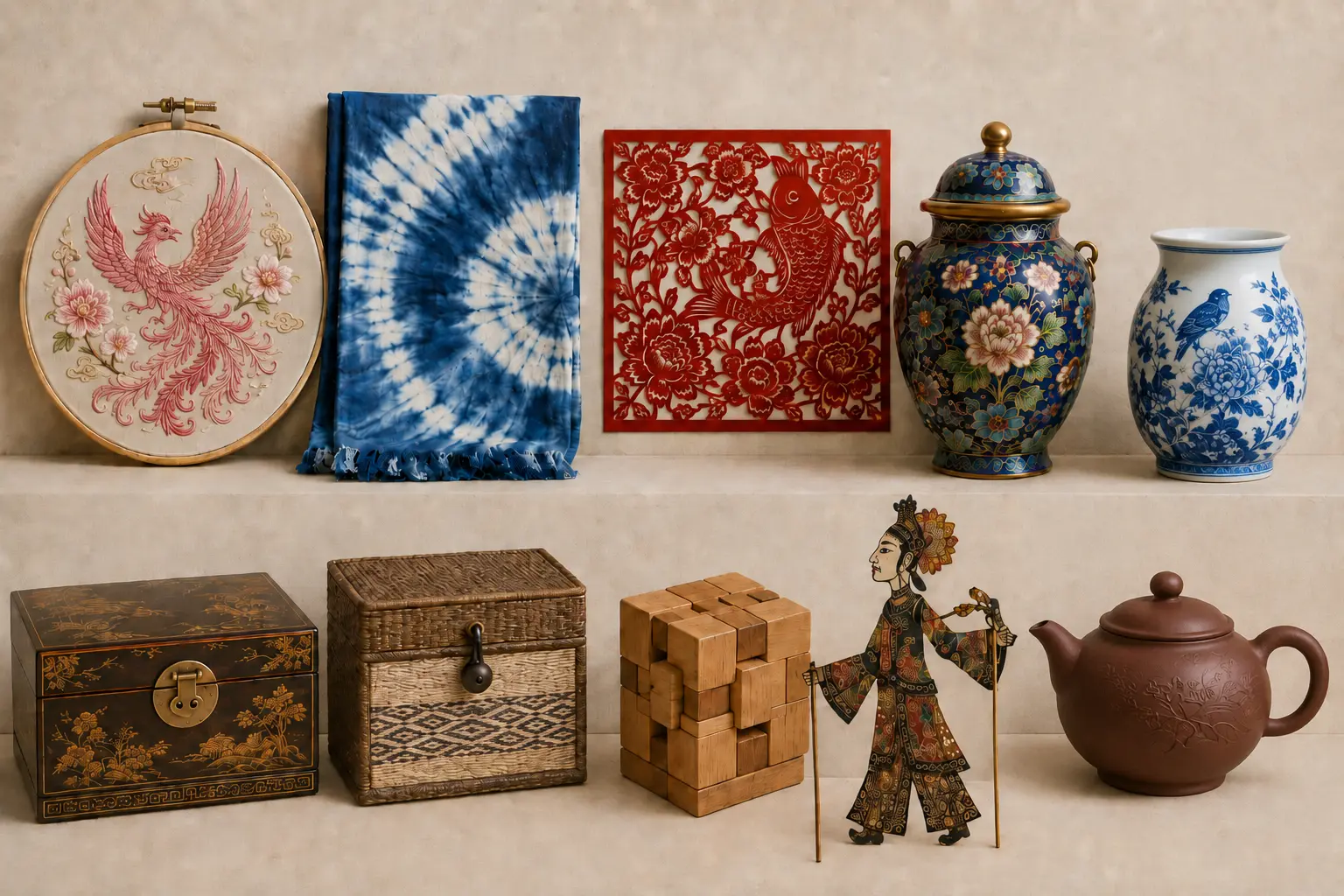
Finished craft ideas adults can actually picture using
This collection connects embroidery, indigo textile, paper cutting, porcelain, lacquer, storage craft, wood joinery, puppetry, and zisha teaware as adult-friendly craft and gift inspiration.
Craft travel ideas
Where to Experience Traditional Chinese Crafts in China
Some Chinese crafts are best understood when you see the materials, tools, and hands behind them. These destinations are useful starting points for travelers who want cultural workshops, local craft streets, or museum-style learning.
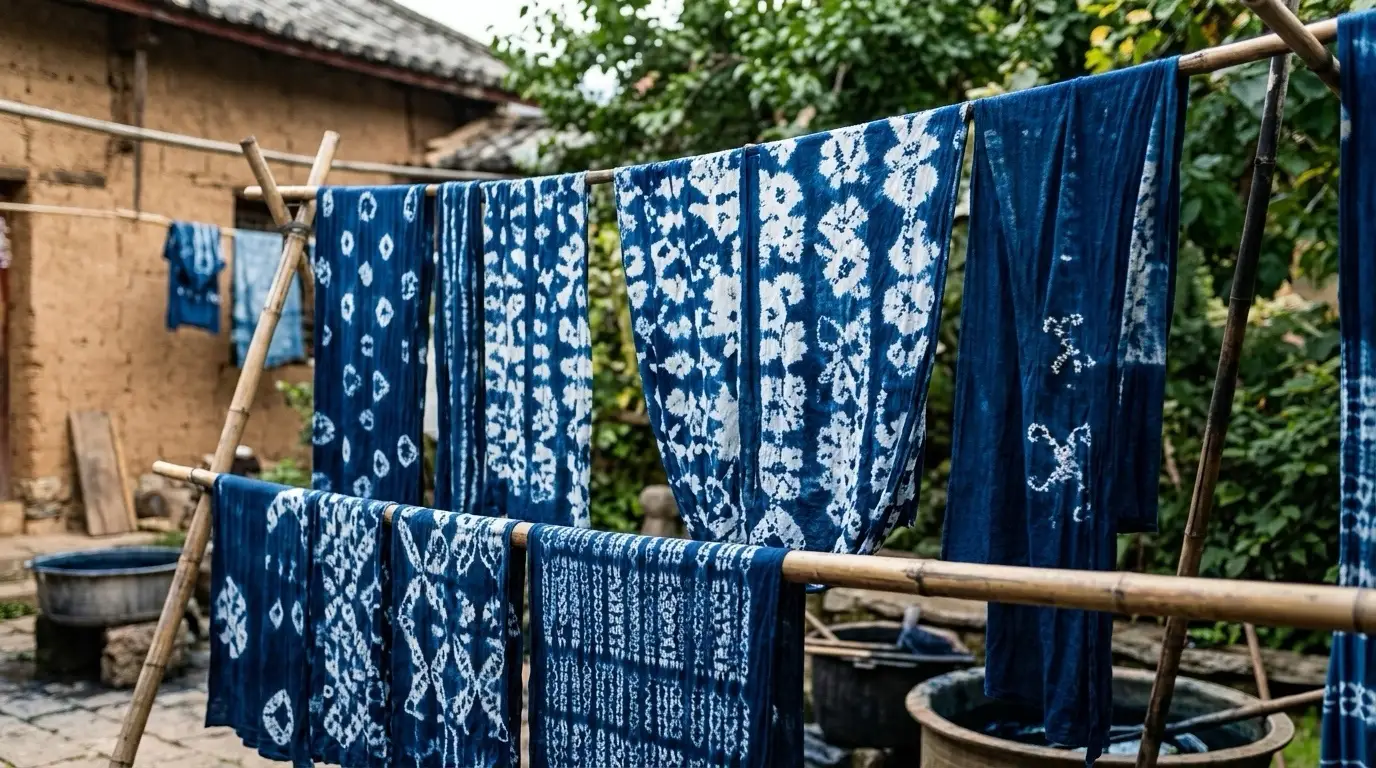 Dali, Yunnan
Tie-Dye & Indigo Workshops
Dali is a strong starting point for learning about Chinese tie-dye traditions, indigo fabric, and handmade textile patterns.
Good for: textile lovers, slow travel, hands-on craft learners.
Explore Dali tie-dye → Suzhou, Jiangsu
Embroidery Studios & Gardens
Suzhou is closely associated with refined embroidery, silk culture, garden aesthetics, and delicate handmade textile traditions.
Good for: embroidery fans, textile details, quiet cultural travel.
Learn embroidery meanings →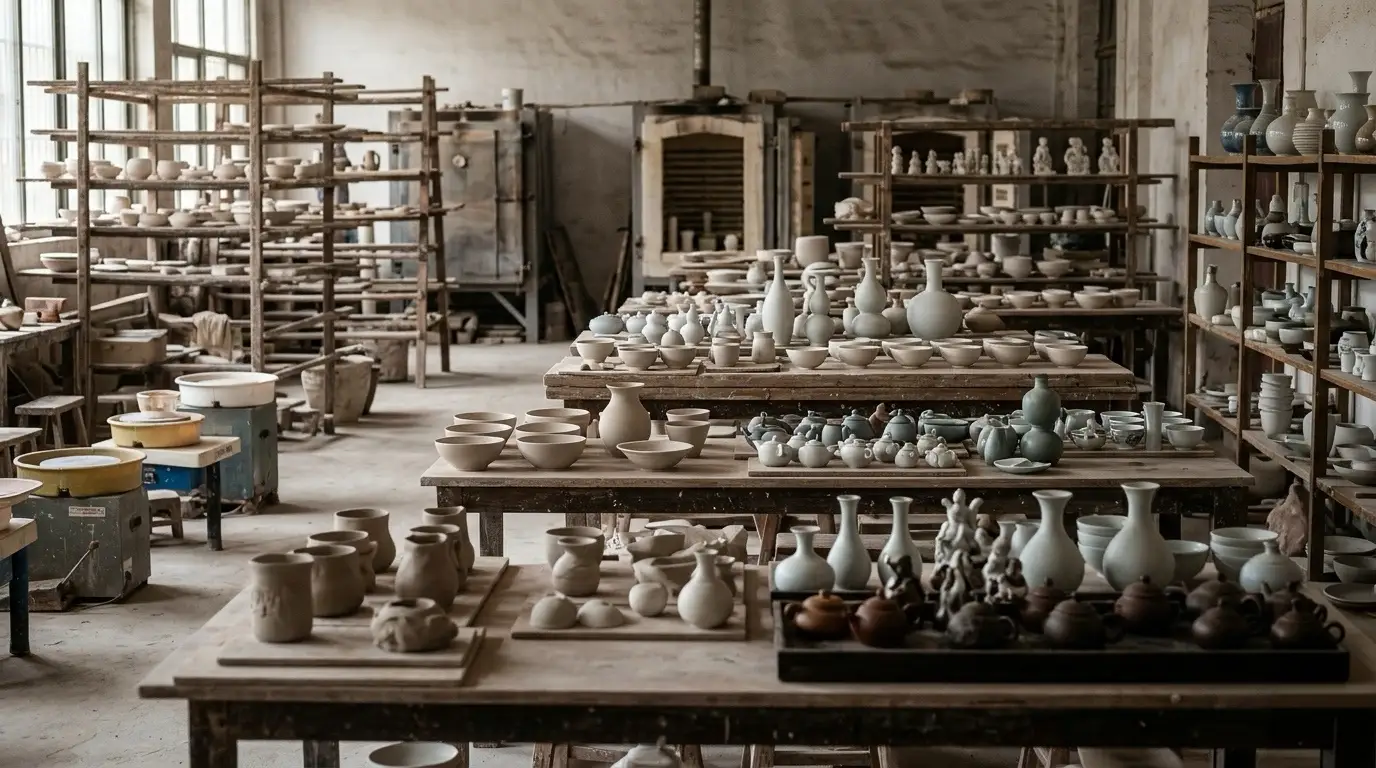 Jingdezhen, Jiangxi
Porcelain & Ceramic Making
Jingdezhen is widely known for porcelain culture, ceramic studios, kiln history, and hands-on pottery experiences.
Good for: ceramics, home decor, collectors, and studio visits.
See porcelain craft →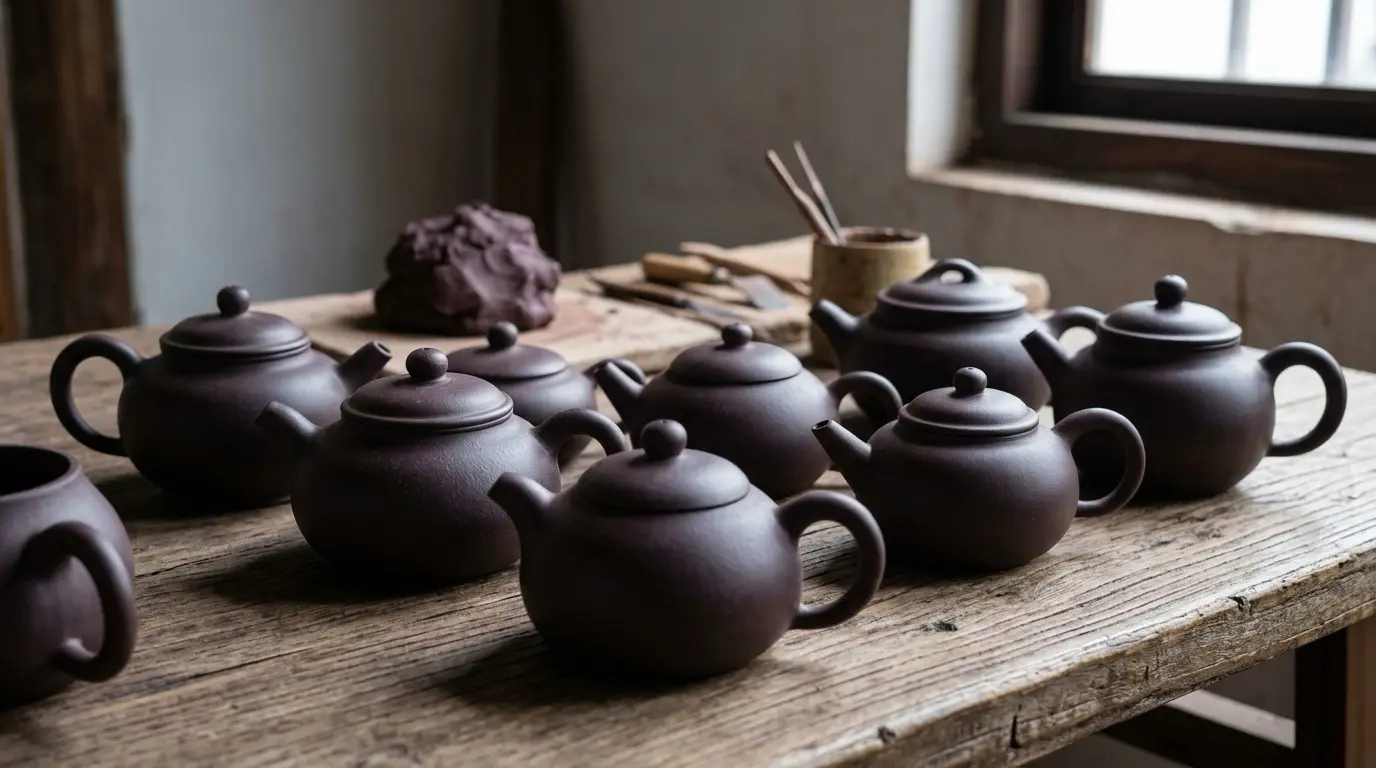 Yixing, Jiangsu
Zisha Teapot Craft & Tea Culture
Yixing is a helpful place to understand purple clay teapots, tea rituals, hand-shaped teaware, and craft collecting.
Good for: tea lovers, collectors, handmade gift seekers.
Find tea gift ideas →DIY & material paths
How to Try Traditional Chinese Crafts at Home
You do not need to master every traditional technique to begin. Start with simple, beginner-friendly projects inspired by Chinese craft culture, then explore materials, patterns, and deeper guides as your interest grows.
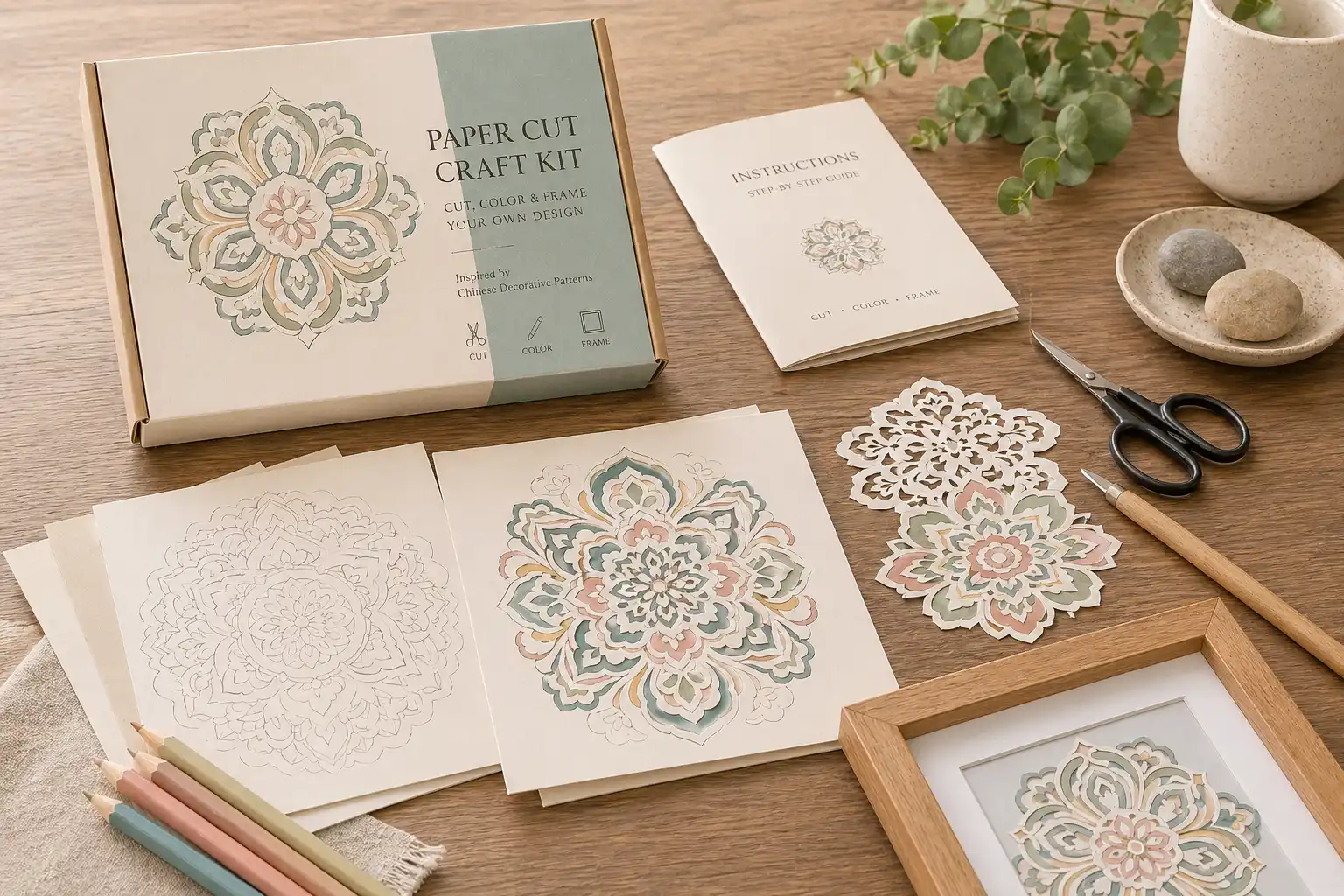 Beginner project
Try Simple Paper Cutting
Paper cutting is one of the easiest entry points because it uses simple tools and gives quick visual results.
- Paper or thin craft paper
- Small scissors or craft knife
- Printable pattern template
 Textile path
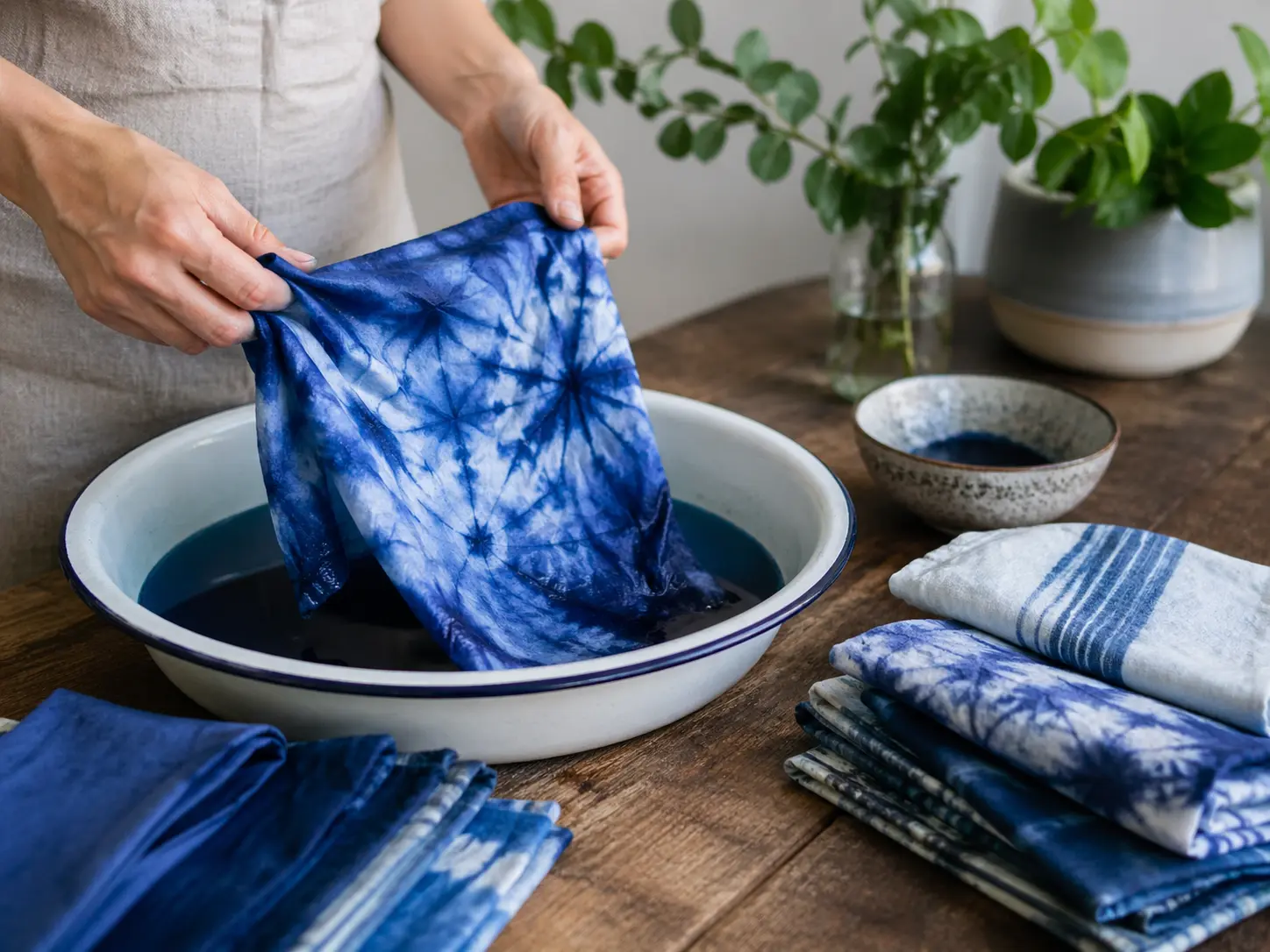
Start with Indigo-Inspired Dyeing
If you like fabric, begin with small cotton pieces, simple folding patterns, and safe beginner dye methods.
- Cotton fabric or scarf
- Dye, gloves, and rinse bowl
- Simple tie or fold patterns
 Pattern idea
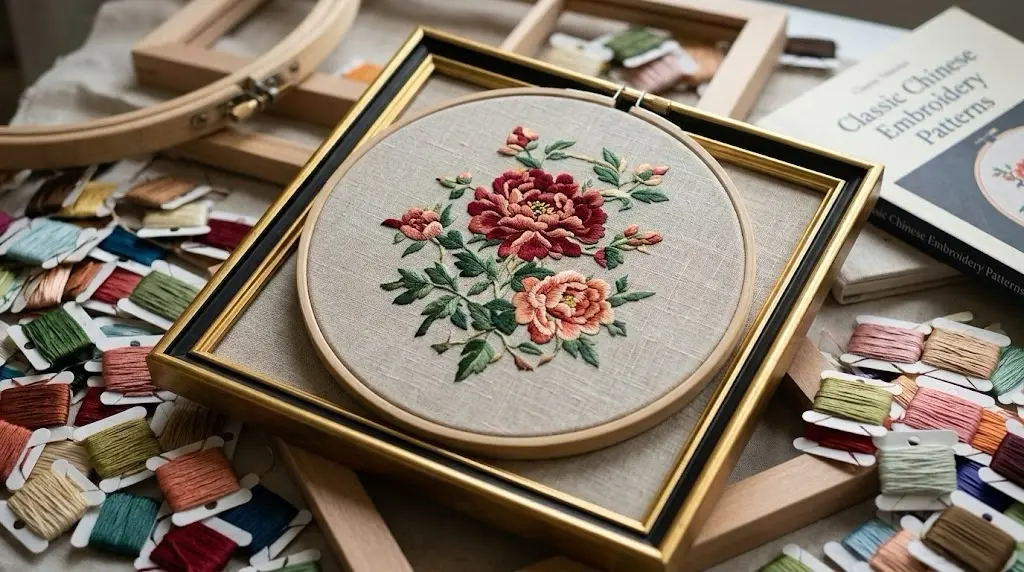
Explore Embroidery Motifs
Embroidery is slower, but even a small floral or symbolic motif can become a meaningful handmade object.
- Embroidery hoop and cloth
- Needles and colored thread
- Simple flower or symbol pattern
 Gift path
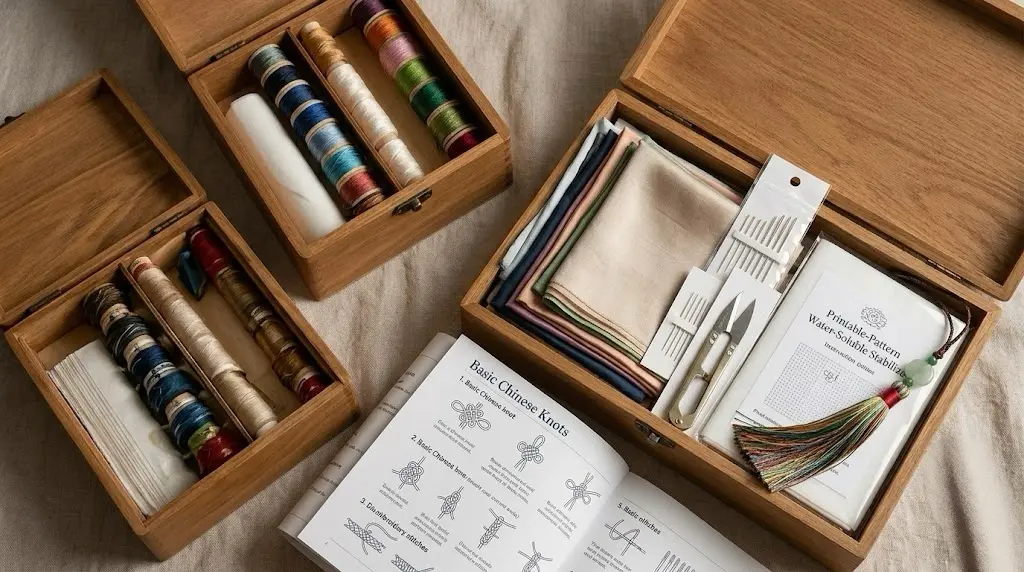
Build a Cultural Gift Project
A beginner craft project can become a meaningful gift when paired with a short story about its symbol or origin.
- A simple handmade object
- Gift card with cultural meaning
- Printable pattern or material checklist
Start with one material and one simple technique.
If you want a low-friction first project, choose the path that matches the material you already enjoy. Paper cutting focuses on pattern and scissors, indigo textile work focuses on folds and dye, and embroidery focuses on thread, motifs, and hand stitching.
Simple rule: choose one craft, finish one small project, then move into the deeper guide.
More craft traditions
More Traditional Chinese Crafts to Explore
Traditional Chinese craftsmanship extends far beyond the ten featured examples. These additional traditions show the range of materials, regional styles, decorative arts, and everyday objects found across China.
Chinese Oil-Paper Umbrellas
Related craft traditionMiao Silver Jewelry
Related ethnic craftMother-of-Pearl Inlay
Related craft traditionBrocade & Woven Textiles
Related textile pathChinese Knotting
Decorative craftWoodblock Printing
Printmaking traditionLantern Making
Festival craftJade Carving
Carving traditionExplore crafts by material, region, and everyday use.
This growing hub connects major craft types with techniques, cultural meaning, beginner entry points, and deeper guides where available.
Cultural value
Why Traditional Chinese Crafts Still Matter
Traditional Chinese crafts are not only decorative objects. They carry regional memory, handmade skill, material knowledge, festival customs, and personal meaning. That is why they can work as learning paths, travel experiences, DIY inspiration, and thoughtful gifts.
They preserve regional identity
Many crafts are connected with specific places, materials, ethnic traditions, or local ways of living, from Dali tie-dye to Suzhou embroidery and Jingdezhen porcelain.
They make culture hands-on
DIY-friendly crafts such as paper cutting, fabric dyeing, and embroidery help readers move from passive reading to active making.
They carry symbols and stories
Motifs, colors, materials, and patterns often hold wishes for luck, beauty, longevity, protection, family, or seasonal celebration.
They create better gift meaning
A handmade craft gift becomes stronger when the receiver understands the material, process, cultural background, and symbol behind it.
Quick answers
Common Questions About Traditional Chinese Crafts
Use these quick answers to understand what traditional Chinese crafts are, where to begin, which crafts are beginner-friendly, and how this hub can help you explore them by learning, travel, DIY, or gift interest.
What are traditional Chinese crafts?
Traditional Chinese crafts are handmade or heritage craft traditions shaped by regional materials, cultural symbols, practical use, and long-developed techniques. Examples include embroidery, indigo dyeing, paper cutting, porcelain, lacquerware, bamboo weaving, shadow puppetry, and Yixing zisha teapots.
For broader cultural context, you can also explore UNESCO’s overview of intangible cultural heritage elements in China.
Which traditional Chinese crafts are easiest for beginners?
Paper cutting, simple fabric dyeing, beginner embroidery motifs, and basic bamboo or paper craft projects are usually easier entry points. They require fewer tools and give visible results quickly.
For textile beginners, you can also start with fabric dyeing and then read related guides such as how to wash tie dye without ruining color.
Where can travelers experience traditional Chinese crafts in China?
Good starting points include Dali in Yunnan for tie-dye and indigo textile traditions, Suzhou in Jiangsu for embroidery and silk culture, Jingdezhen in Jiangxi for porcelain and ceramics, and Yixing in Jiangsu for zisha teapot craft and tea culture.
Workshop availability changes by season and studio, so treat these places as research starting points rather than fixed booking recommendations.
Can I try traditional Chinese crafts at home?
Yes. You can begin with simple paper cutting templates, small embroidery motifs, indigo-inspired fabric dyeing, or handmade cultural gift projects. The key is to start with beginner-friendly materials before attempting advanced heritage techniques.
A simple first step is this guide to Chinese paper cutting patterns. For heritage background, UNESCO also has an official entry on Chinese paper-cut.
Which Chinese crafts are good for handmade gift ideas?
Embroidery, porcelain, paper cutting, zisha teapots, cloisonné, lacquerware, and small textile crafts can all work as meaningful gift ideas when paired with a short explanation of their cultural background, material, or symbolic meaning.
You can also explore the site’s cultural gifts guide for gift-oriented paths.
Is this page only about 10 crafts?
No. The 10 featured crafts are only a beginner-friendly starting collection. This hub is designed to expand into more regional and niche craft guides, such as oil-paper umbrellas, Miao silver jewelry, Chinese knotting, woodblock printing, lantern making, and mother-of-pearl inlay.
Explore next
Start with one craft, then follow the path that fits you.
If you are exploring Chinese crafts for learning, making, travel, or meaningful objects, choose a next step below instead of trying to learn everything at once.
- 1 Want a meaningful gift? Start with the cultural gifts guide.
- 2 Want an easy DIY? Try paper cutting patterns first.
- 3 Want textiles? Read Chinese tie dye and batik guides.
Find Cultural Gift Ideas
Choose meaningful cultural gifts by recipient, occasion, budget, craft type, and symbolic meaning.
Try Paper Cutting Patterns
Begin with a simple paper craft path that can become a printable gift project or beginner DIY activity.
Explore Chinese Tie Dye
Start with Dali Bai tie-dye, indigo fabric, regional textile traditions, and handmade blue-white patterns.
Understand Batik vs Tie Dye
Compare two textile techniques and learn how wax resist, tying, folding, and dye patterns work.