Is Tie Dye Safe for Skin? What to Know Before Wearing It
Is tie dye safe for skin? In most cases, a properly rinsed and washed tie dye shirt is safe to wear. The real skin risks usually come from wet dye, loose dye powder, poor rinsing, synthetic dye sensitivity, or wearing newly dyed fabric too soon.
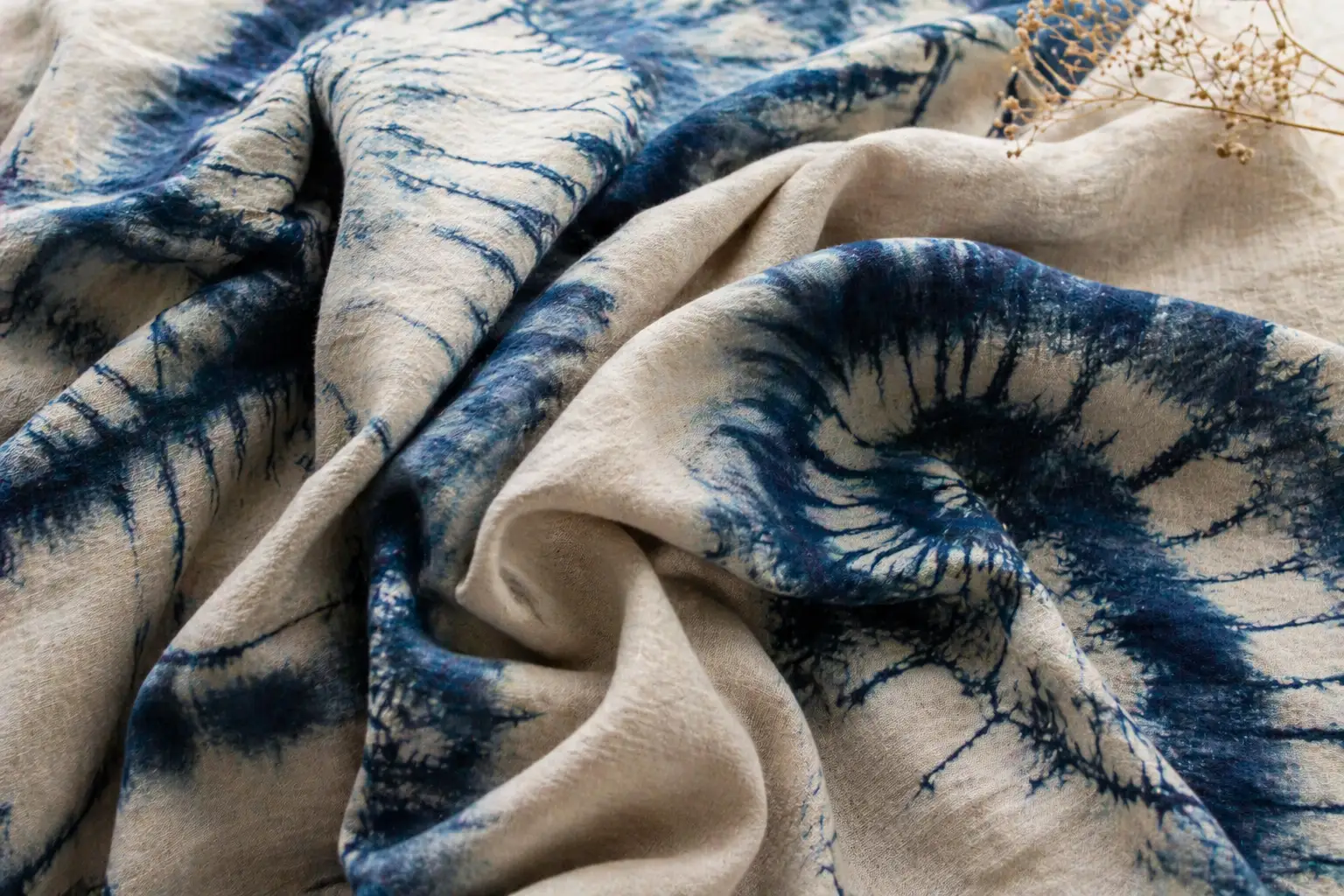
Is tie dye safe for skin?
Yes, tie dye is usually safe for skin after the fabric has been properly rinsed, washed, and dried. A finished tie dye shirt should not leave wet dye on your skin, smell strongly of chemicals, or release visible color when touched.
The bigger risk is not a clean finished shirt. The bigger risk is direct contact with wet dye, breathing dye powder, wearing fabric before it is fully rinsed, or using unknown low-quality dyes. People with sensitive skin should be more careful and may want to wash the garment separately before wearing it.
If your question is not only about skin contact, use our Tie Dye Guide to choose the right help for patterns, waiting time, rinsing, washing, fading, mistakes, and safety.
What makes tie dye safe or unsafe?
Whether tie dye is safe for skin depends less on the pattern and more on the dye type, fixing process, washing method, and how carefully the fabric is handled before wearing. The same shirt can be safe after washing but irritating while the dye is still wet.
- Dye type: Some dyes are plant-based or low-impact, while others may use stronger synthetic chemicals.
- Fixing process: If dye is not properly set into the fabric, residue may remain on the surface.
- Washing method: Unwashed or poorly rinsed garments may still contain loose dye particles.
- Skin sensitivity: Some people react more easily to dye residue, fragrance, detergents, or chemical finishes.
If you are also wondering about toxicity more broadly, read our related guide: Is tie dye toxic?
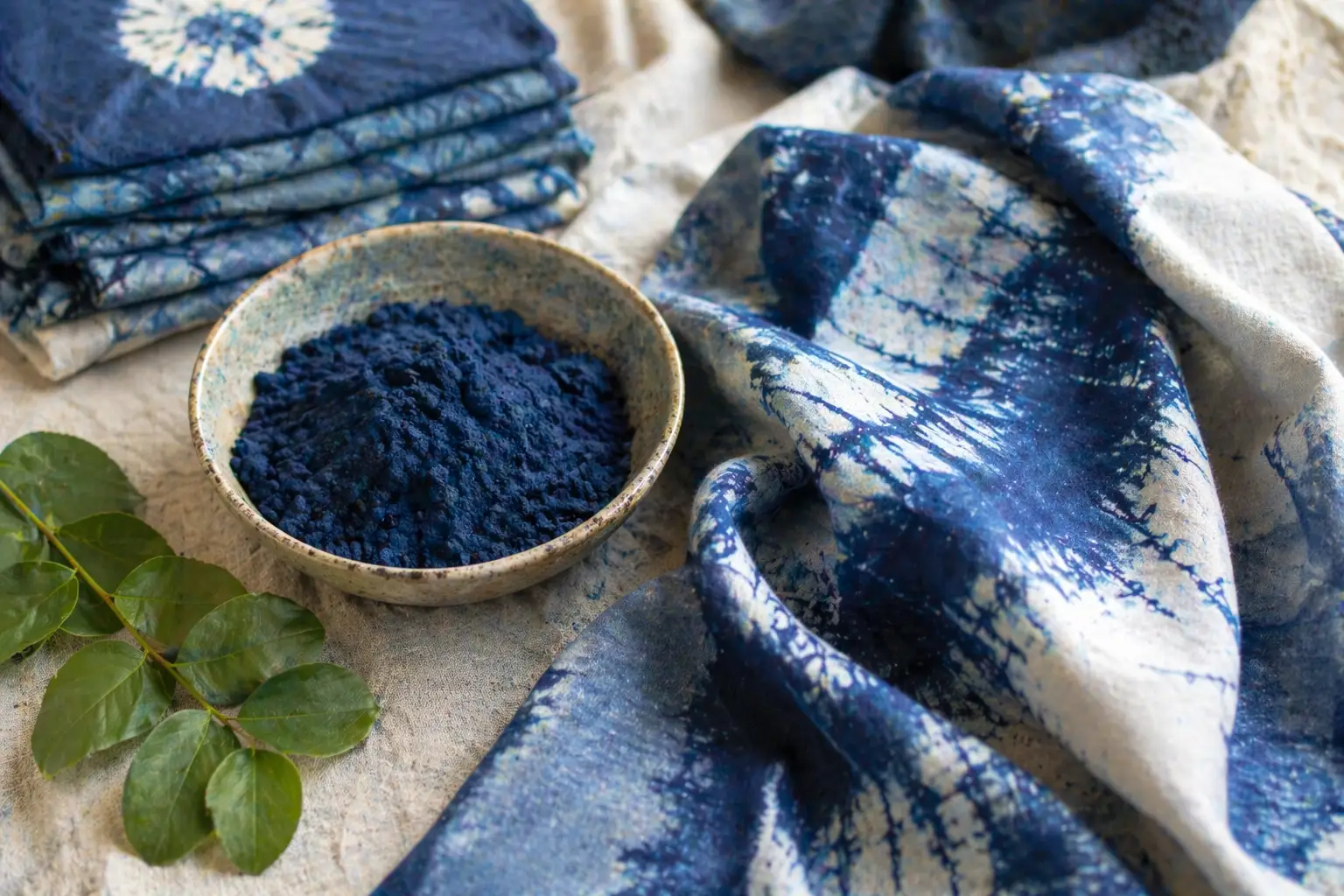
Skin safety depends on dye type, rinsing, washing, and whether the fabric is fully cured before wearing.
Are natural dyes safer for skin than synthetic dyes?
Natural dyes can be a safer-feeling option for many beginners, especially when they come from plant, mineral, or other traditional sources. Common natural dye materials include indigo, turmeric, and plant-based pigments. You can learn more about natural dyes from this overview.
However, natural does not automatically mean risk-free. Some natural dyes still need mordants or fixing agents, and some people can react to plant compounds. Synthetic dyes can also be safe when used correctly, especially if the fabric is washed thoroughly before wearing.
If you want to compare dyeing methods, see our beginner guide to batik vs tie dye.
Potential skin risks from tie dye
Tie dye is not usually harmful to skin once the garment is finished, but problems can happen in a few specific cases. These are the situations worth checking before you wear or give away a handmade tie dye item.
Wearing unwashed tie dye
Freshly dyed fabric may still have loose dye. This can rub onto skin, stain hands, or irritate sensitive areas.
Sensitive skin reactions
Some people react to dye residue, detergents, fragrance, or finishing chemicals, especially around the neck or underarms.
Prolonged skin contact
Tight or sweaty clothing can increase irritation if the fabric still contains loose dye or detergent residue.
How to make tie dye safe to wear
The safest approach is simple: keep wet dye away from skin, let the dye process fully, rinse until the water runs mostly clear, then wash and dry the garment before wearing. This reduces loose dye residue and makes the fabric more comfortable against skin.
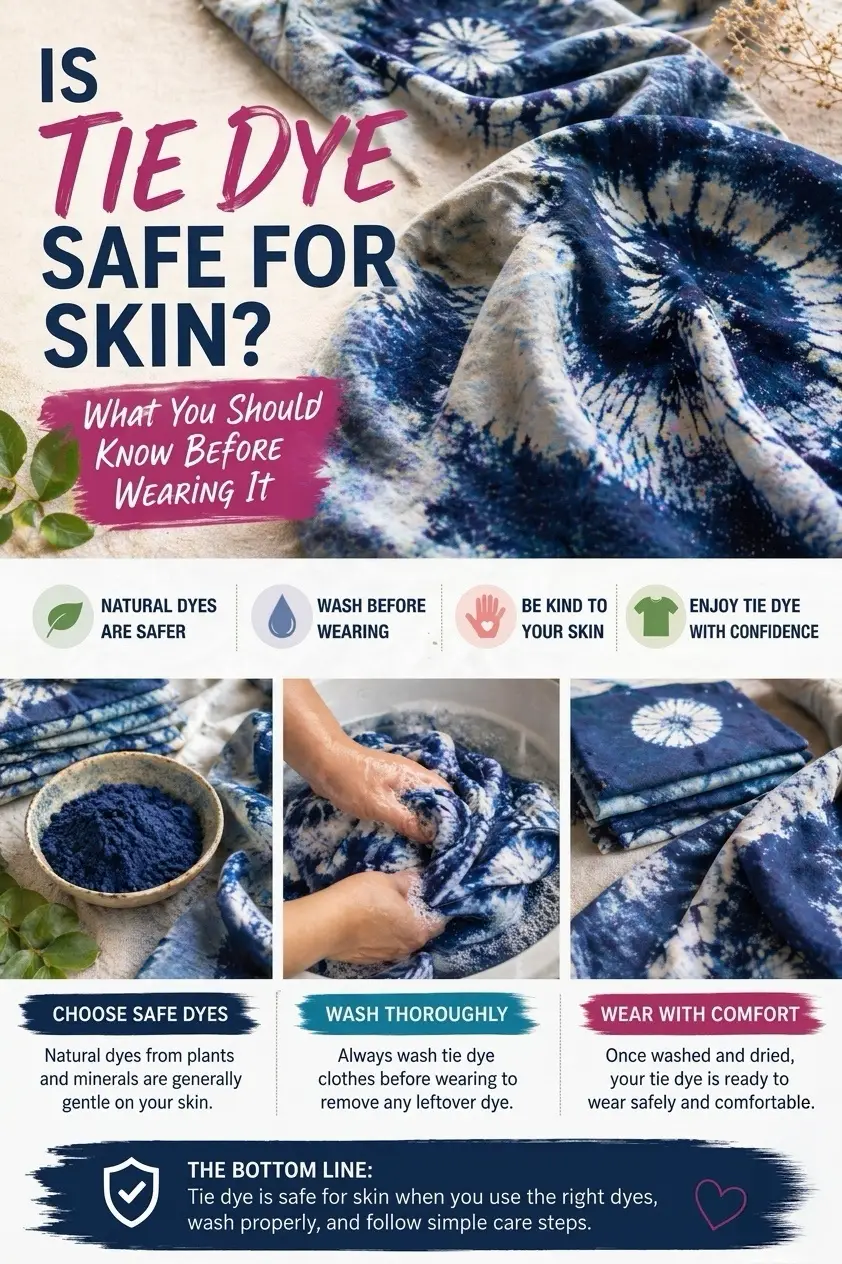
Rinsing and washing are the most important steps before wearing freshly dyed fabric.
- Wear gloves while dyeing. This prevents direct dye contact during the messiest part of the process.
- Let the dye sit long enough. Dye that has not processed properly may rinse out unevenly.
- Rinse before washing. Remove loose dye before putting the item into a full wash cycle.
- Wash separately at first. This helps prevent dye transfer and removes remaining residue.
- Choose skin-friendly dyes. Look for labels such as low-toxic, non-toxic, fiber-reactive, or suitable for fabric crafts.
After washing, color care also matters. See our guide on how to keep tie dye from fading if you want the color to stay bright without over-rinsing or harsh washing.
Best safe options for beginners
If tie dye safety is your priority, choose materials that are easy to wash, easy to rinse, and designed for fabric use. Avoid mystery dyes, industrial colorants, or craft supplies without clear instructions.
Natural dye kits
Good for beginners who prefer plant-based or traditional dyeing methods.
Low-impact fabric reactive dyes
Often used for cotton fabric when handled carefully and washed thoroughly.
Pre-washed dye products
Finished products are usually safer to wear because loose dye has already been removed.
Common mistakes that can irritate skin
Most tie dye skin problems come from rushing the process. Beginners often focus on color first, but safety and comfort depend on how the fabric is handled after dyeing.
- Wearing tie dye before rinsing and washing it properly.
- Using too much dye and leaving heavy residue in the fabric.
- Not following the dye kit instructions.
- Skipping gloves while mixing or applying dye.
- Wearing damp or freshly dyed fabric for a long time.
- Using unknown dyes that are not clearly labeled for fabric use.
So, is tie dye safe for skin?
Tie dye is safe for skin in most cases when the fabric is properly rinsed, washed, dried, and handled with basic care. A finished tie dye shirt should feel like normal clothing, not like a wet craft project.
The main skin risks come from direct wet dye contact, poorly rinsed fabric, sensitive skin, and unknown dye ingredients. If you follow basic safety steps, choose suitable dyes, and wash the garment before wearing it, tie dye can be a comfortable and beginner-friendly fabric craft.
Related guides for safer tie dye projects
Use these guides to continue through the safety and beginner fabric dye cluster. They help Google and readers understand that this page is part of a larger practical tie dye resource, not a one-off answer.
FAQ: Tie dye and skin safety
Can tie dye irritate skin?
Yes, tie dye can irritate skin if the dye is still wet, the fabric has not been rinsed well, or the person has sensitive skin. A finished and washed garment is usually much lower risk.
Is it safe to wear tie dye right after making it?
No. Fresh tie dye should be rinsed, washed, and dried before wearing. Wearing it too soon can leave dye residue on the skin.
Should I wear gloves when tie dyeing?
Yes. Gloves help prevent dye from staining your hands and reduce direct contact with wet dye or dye powder.
Are natural dyes always safer for skin?
Not always. Natural dyes can be a good option, but some plant compounds or mordants may still irritate skin. The safest choice is a clearly labeled dye used correctly and washed out thoroughly.
What should I do if tie dye irritates my skin?
Remove the garment, wash the skin with mild soap and water, and avoid wearing the fabric again until it has been washed thoroughly. If irritation is severe or continues, seek medical advice.