Why Chinese Communities Still Work
Chinese communities often work because daily life is supported by family ties, shared responsibilities, neighborhood habits, festivals, and cultural traditions.
This guide explains why community life in China can remain resilient, and how those social bonds connect to culture, crafts, identity, and local traditions.
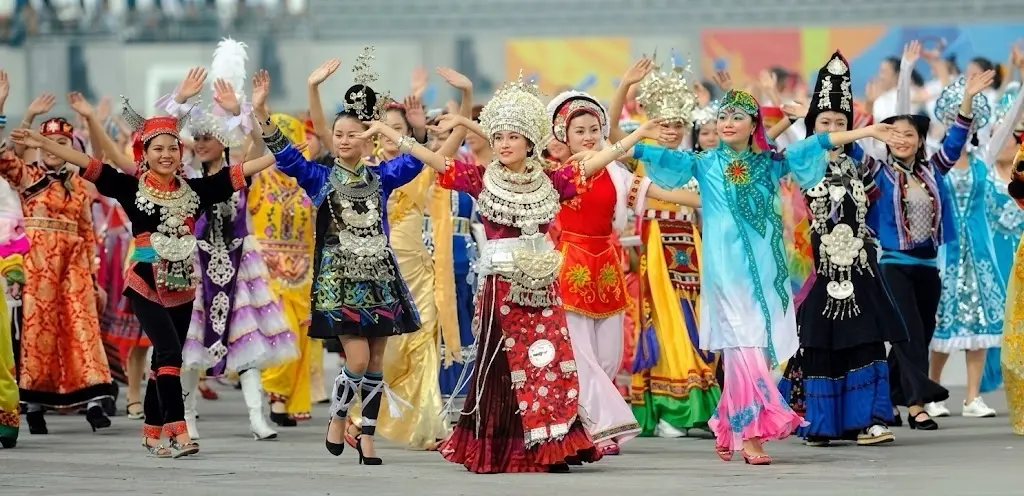
Why Do Chinese Communities Still Work?
Chinese communities still work because social life is often built around relationships, duties, and shared culture. Family support, neighborly habits, festivals, local customs, and group identity can help people stay connected even as society modernizes.
This does not mean every Chinese community is the same. Urban neighborhoods, rural villages, ethnic minority communities, and overseas Chinese communities can function differently.
Family responsibilities often connect generations and create practical support systems.
Festivals, meals, ceremonies, and seasonal customs help people gather regularly.
Local culture, ethnic background, craft traditions, and shared memory can create belonging.
The Global Decline of Community Life
In many parts of the world, community life is weakening. People may feel more isolated, social trust may decline, and traditional structures can disappear under the pressure of work, migration, digital life, and individual competition.
This is why Chinese community culture is worth studying. It offers one example of how family networks, neighborhood customs, and cultural continuity can help communities remain socially connected.
How Communities Function in China
In China, communities are not only physical spaces. They are often connected through family structures, shared responsibilities, local events, cultural traditions, and practical support.
Support across generations
Grandparents, parents, adult children, and extended relatives often remain connected through care, meals, childcare, finances, and family obligations.
Everyday social contact
Markets, apartment compounds, village lanes, neighborhood committees, and local shops can create small but repeated points of contact.
Reasons to gather
Lunar New Year, Mid-Autumn Festival, Qingming, weddings, temple fairs, and local events give people recurring reasons to reconnect.
Shared stories and customs
Food, language, rituals, crafts, family stories, and regional identity help people feel part of something larger than the individual self.
Why the Chinese Community Model Still Works
One reason Chinese communities still function is the importance placed on family and collective responsibility. In many contexts, people rely on relatives, neighbors, local networks, and shared customs for support.
Responsibility does not stop at the individual
Family members may remain involved in one another’s daily decisions, care responsibilities, and major life events.
Local life creates repeated connection
People often meet through familiar places: markets, schools, apartment compounds, ancestral villages, or local shops.
Customs make community visible
Festivals, food rituals, gift giving, ceremonies, and handmade objects help turn invisible relationships into visible practice.
To understand how different cultural groups contribute to this larger picture, read our guide to the 56 ethnic groups in China.
Community Life Is Also Preserved Through Craft
Community is not only maintained through conversation. It is also preserved through handmade objects, clothing, festivals, patterns, family gifts, and local skills passed from one generation to another.
Traditional crafts can act like social glue. A piece of embroidery, batik, tie dye, or festival decoration may carry a family story, regional identity, or shared memory.
This is why craft pages on this site are not only about technique. They are also about the communities that keep those techniques meaningful.
Miao embroidery carries symbolic motifs, family memory, and ethnic identity.
Dali Bai Chinese tie dye connects indigo patterns with local craft practice in Yunnan.
A broader guide to traditional Chinese crafts shows how handmade skills connect to culture and place.
What Can the World Learn from Chinese Communities?
The world does not need to copy Chinese communities exactly. Every society has different histories, values, and social conditions. But Chinese community life suggests several lessons that can travel well.
Connection needs structure
Community does not survive on good feelings alone. It needs repeated meals, gatherings, rituals, shared spaces, and responsibilities.
Intergenerational ties matter
When older and younger generations stay connected, knowledge, care, and cultural memory can move through the family line.
Culture makes belonging visible
Festivals, crafts, clothing, food, and local customs give people visible ways to belong.
Local identity still matters
Even in modern cities, people often need local roots, familiar places, and shared stories to feel socially anchored.
Why Chinese Communities Still Matter in Modern Life
Chinese communities still work because they often combine family responsibility, local trust, cultural traditions, and repeated social habits. These bonds are not perfect, and they can change under modern pressure, but they remain powerful.
For readers interested in Chinese culture, this community background also helps explain why traditional crafts, ethnic textiles, cultural gifts, and festival customs continue to matter.
Related Chinese Culture and Craft Guides
These guides connect this community culture article to your wider ethnic culture, craft, textile, and cultural gift cluster.
FAQ: Chinese Communities and Culture
Why do Chinese communities still work?
Chinese communities often remain strong because of family ties, shared responsibilities, cultural traditions, local identity, and repeated social habits such as meals, festivals, and neighborhood contact.
Are all Chinese communities the same?
No. Urban neighborhoods, rural villages, ethnic minority communities, and overseas Chinese communities can function very differently.
How are Chinese communities connected to traditional culture?
Community life is often connected to festivals, family customs, regional foods, crafts, clothing, ceremonies, and shared cultural memory.
How do crafts support community life?
Crafts can preserve family memory, regional identity, ethnic symbols, and local skills. Embroidery, batik, tie dye, and festival objects often carry community meaning.
What can other cultures learn from Chinese communities?
One useful lesson is that community needs repeated structure: shared spaces, rituals, responsibilities, intergenerational contact, and visible cultural practices.