Tie Dye Guides: Patterns, Washing, Safety, and Textile Traditions
Find practical tie dye help for patterns, timing, rinsing, washing, fading, mistakes, and safety, then explore batik, Chinese indigo dyeing, natural dye materials, and textile traditions.
Choose What You Need Right Now
Pick one card. Each card sends you to the guide that solves that exact tie dye problem.
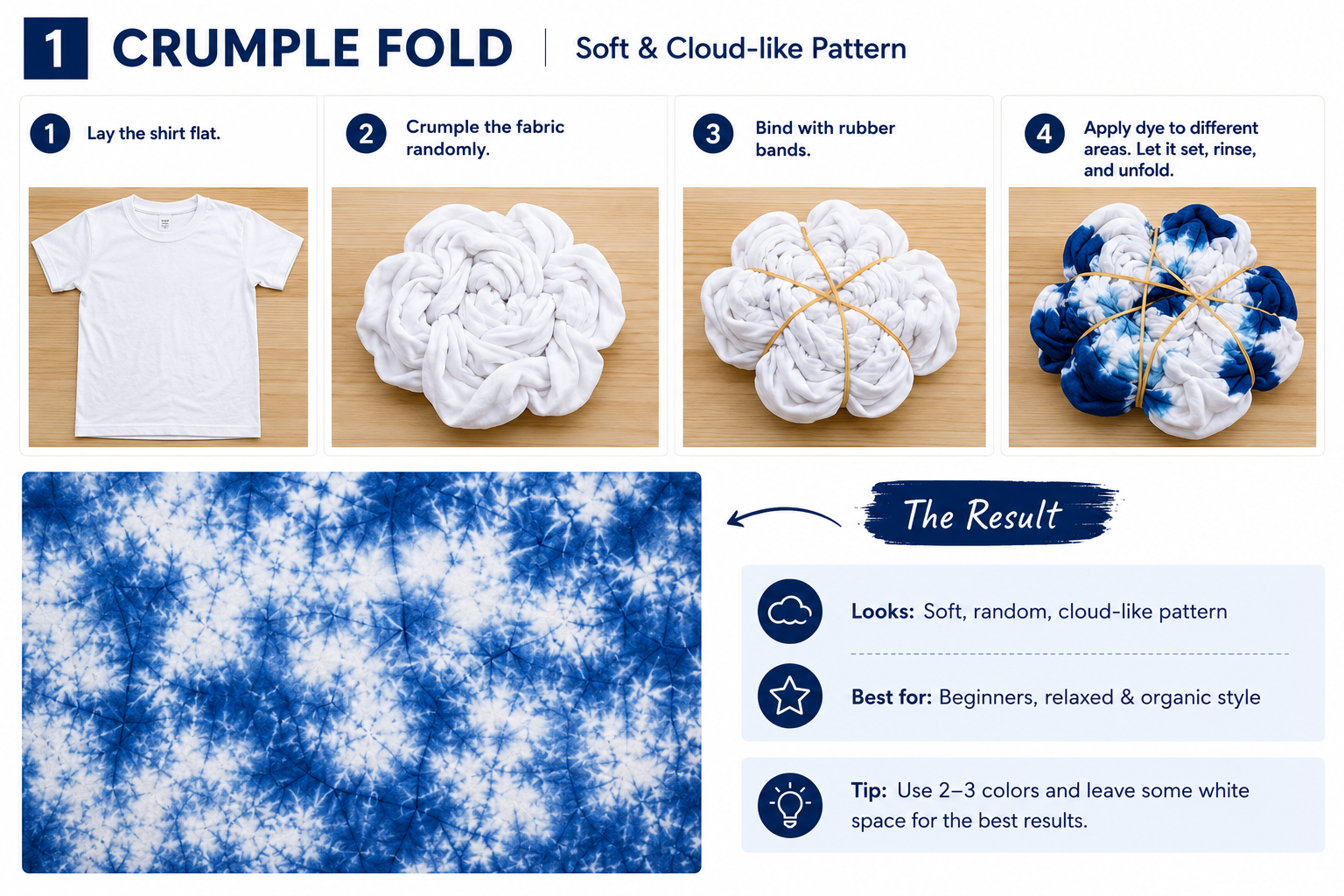
I need a tie dye pattern.
Choose a beginner fold before you mix colors or start tying the fabric.
Pick an easy pattern →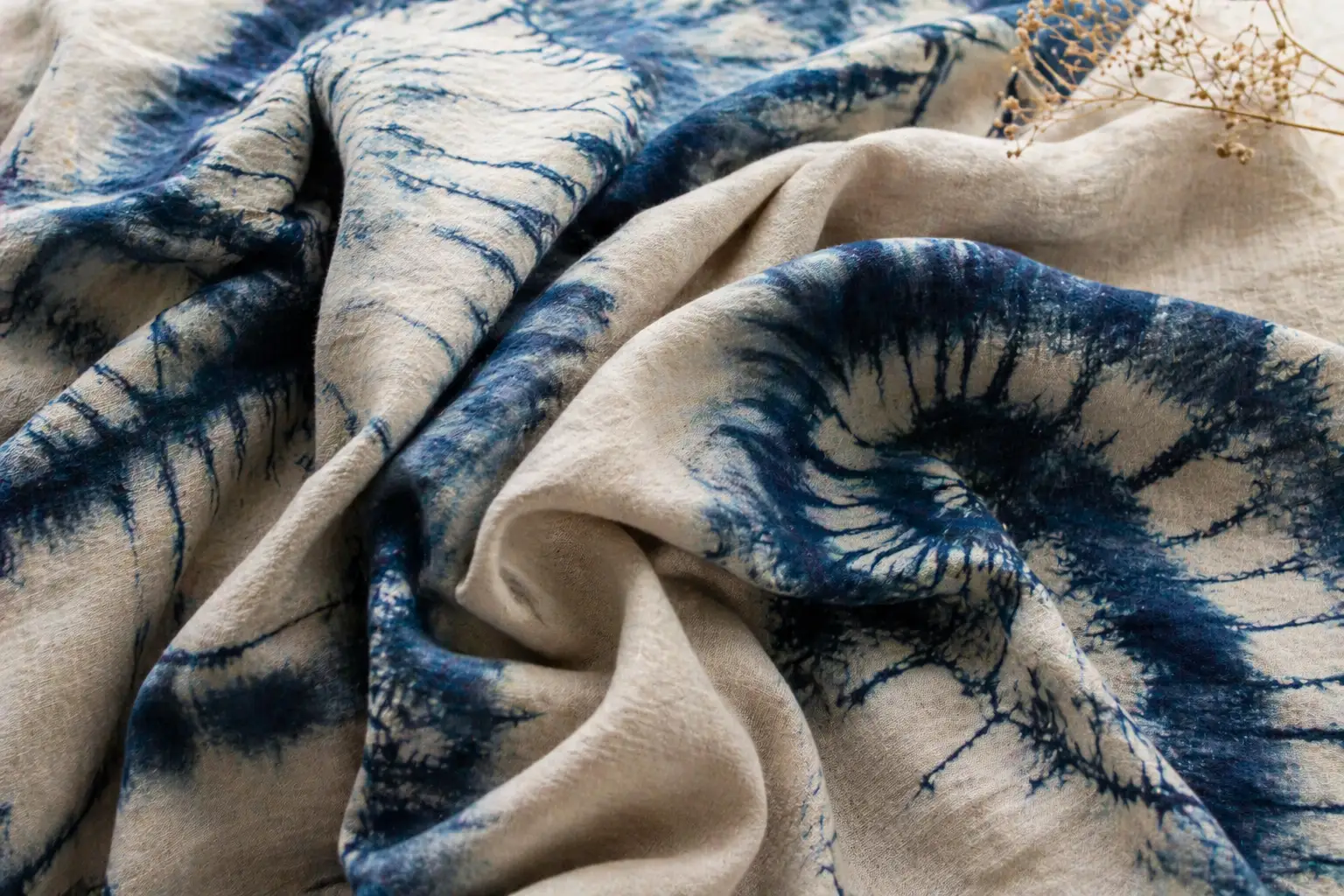
I am waiting before rinsing.
Check whether to wait 6 hours, overnight, 12 hours, or 24 hours before rinsing.
Check waiting time →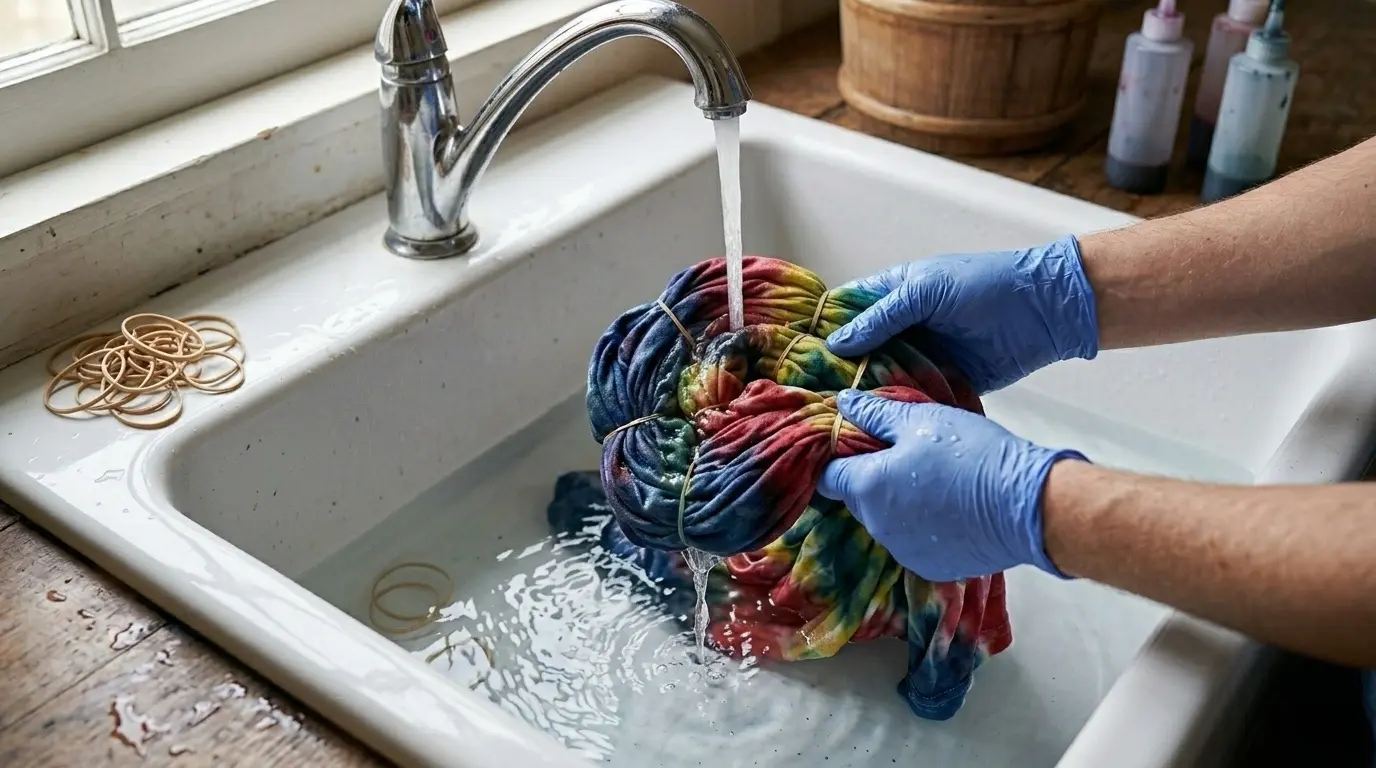
I need to rinse or wash fresh tie dye.
Follow the safest first rinse and wash steps before colors bleed, muddy, or fade.
Wash it safely →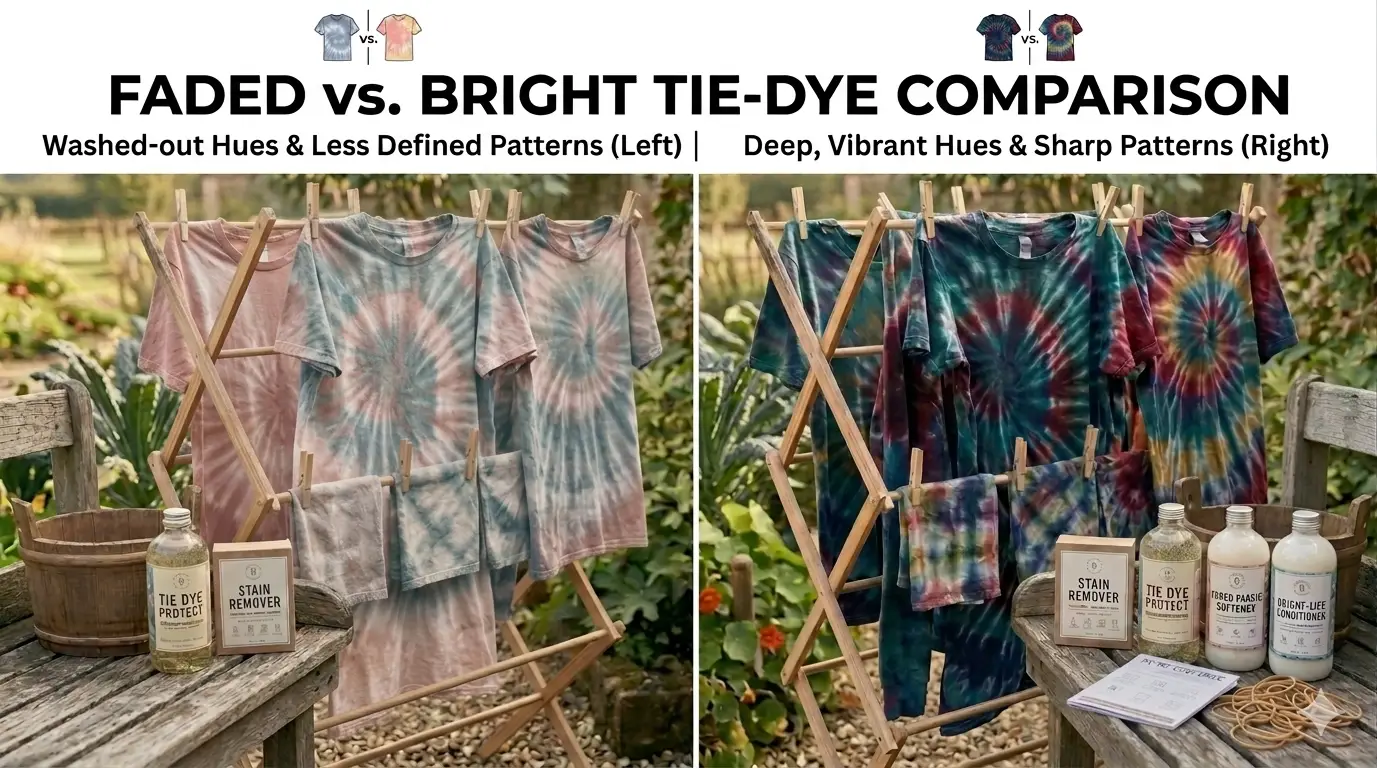
My tie dye is fading.
Use cold water, gentle detergent, lower heat, and better drying habits to protect color.
Stop fading →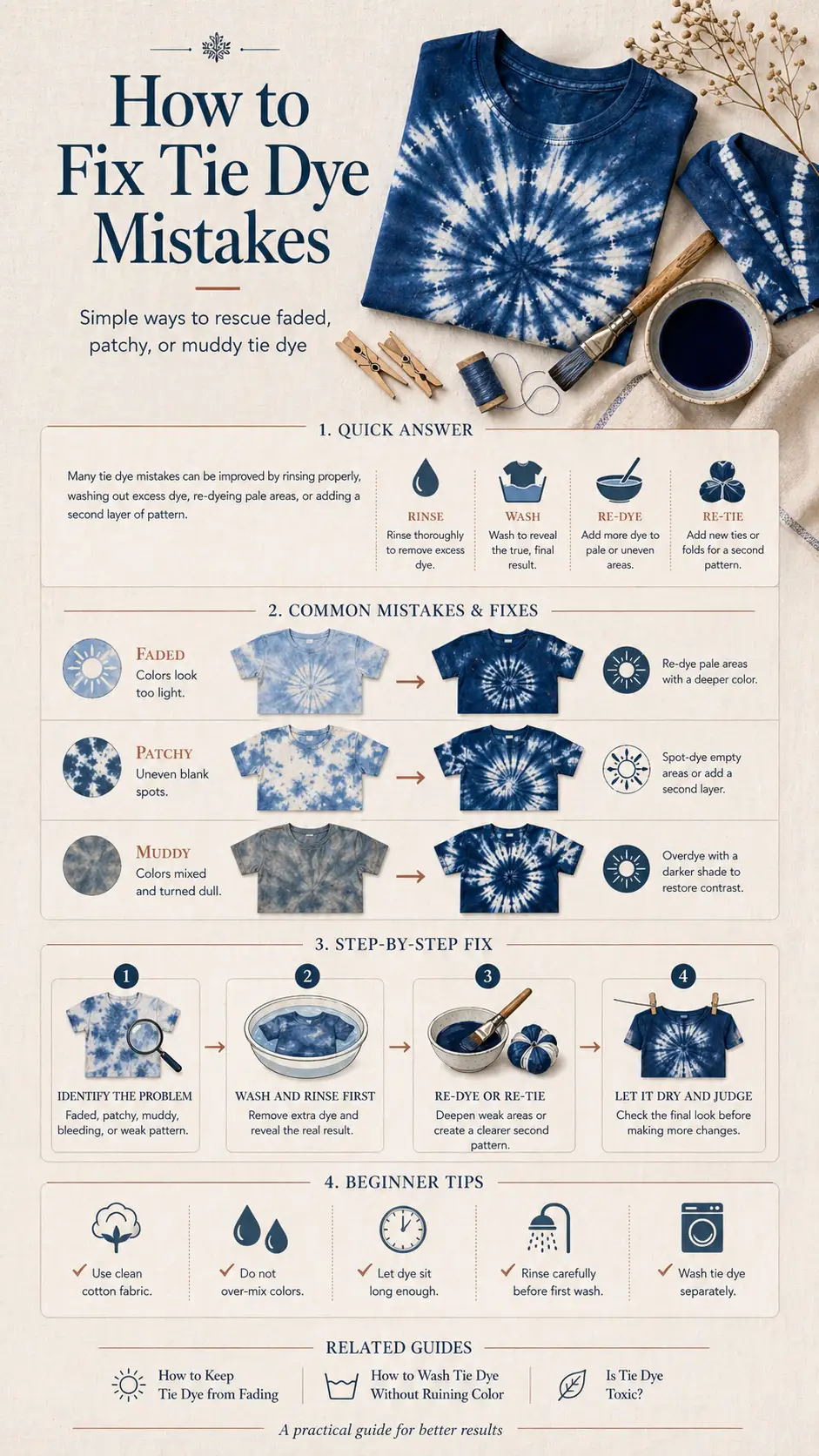
My tie dye looks muddy, patchy, or wrong.
Find out whether to rinse, re-dye, darken, lighten, or leave the fabric alone.
Fix the mistake →
Is tie dye safe or toxic?
Check skin contact, kids, pets, dye powder, smell, and fresh fabric safety.
Check safety →Choose the Right Tie Dye Guide in 10 Seconds
Match your current question to the most useful guide, whether you are choosing a design, fixing a project, checking safety, comparing textile methods, or exploring Chinese tie dye.
I need a simple tie dye pattern.
Start with beginner-friendly folds before mixing colors or tying fabric.
Go to Easy Tie Dye Patterns →I want a more unique design.
Move into mandala folds, clamp resist, structured geometry, and blue-white textile ideas.
Go to Cool Tie Dye Patterns →I do not know when to rinse.
Check whether to rinse after 6 hours, overnight, 12 hours, or 24 hours.
Check Tie Dye Timing →I am about to rinse or wash fresh tie dye.
Use the correct first rinse and wash steps before colors bleed, muddy, or fade.
Wash Tie Dye Safely →The color is fading after washing.
Adjust water temperature, detergent, drying, and washing habits to protect color.
Stop Tie Dye Fading →The result looks muddy, patchy, faded, or uneven.
Decide whether to rinse, re-dye, darken, lighten, or stop touching the fabric.
Fix Tie Dye Mistakes →I worry about dye powder, smell, kids, pets, or home safety.
Check common safety concerns before using dye at home or wearing freshly dyed fabric.
Check Tie Dye Toxicity →I want to know if tie dye is safe on skin.
Use this for skin contact, irritation, dye residue, and wearing freshly washed tie dye.
Check Skin Safety →I care about natural dye, synthetic dye, water use, or sustainability.
Compare natural dye, synthetic dye, fabric choice, water use, and low-waste habits.
Check Eco-Friendly Tie Dye →I do not understand the difference between batik and tie dye.
Compare wax-resist batik with tied, folded, stitched, or clamped tie dye methods.
Compare Batik vs Tie Dye →I am new to both batik and tie dye.
Get a simpler beginner comparison before reading deeper textile guides.
Start Beginner Comparison →I want to know whether a batik-style textile is handmade or printed.
Learn how to check pattern edges, fabric penetration, repetition, and printing signs.
Check Handmade or Printed Batik →I want Chinese tie dye or blue-white indigo inspiration.
Explore Dali Bai indigo tie dye, resist patterns, and cultural textile context.
Explore Chinese Tie Dye →I want to know whether Chinese tie dye is natural.
Check dye source, fabric material, plant-based indigo, and synthetic dye claims.
Check Chinese Tie Dye Materials →Tie Dye Safety Questions Before Wearing or Using It
Use this section if your next question is about skin, residue, smell, kids, pets, or whether tie dye is safe at home.
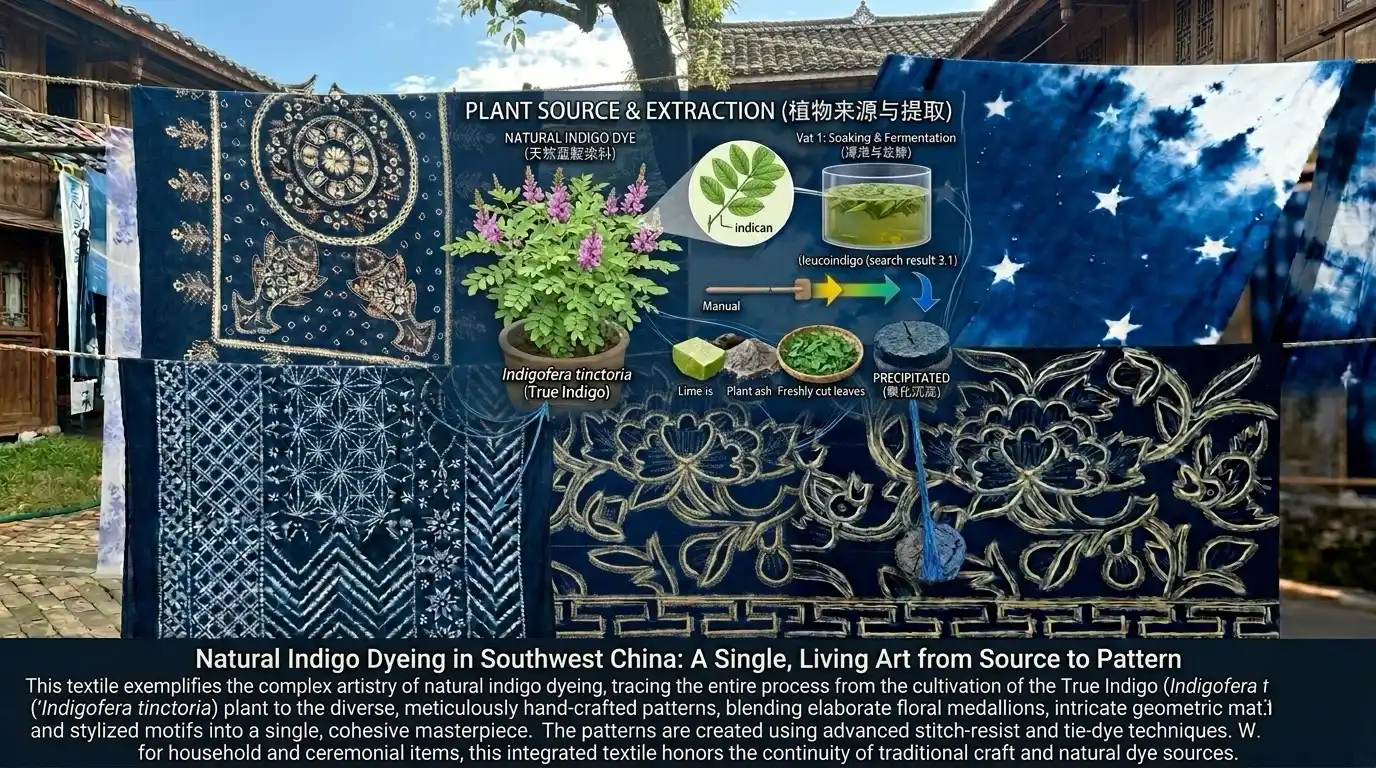
Explore Tie Dye, Batik, Indigo, and Textile Traditions
Move beyond the practical steps to understand Chinese tie dye, blue-white resist patterns, natural dye claims, batik methods, and the cultural context behind handmade textiles.
Follow the Route That Matches Your Goal
Choose the route that best matches your goal. Each sequence takes you from the first decision to the most useful next step without making you sort through every guide.
Choose the Guide That Fits What You Are Doing Today
Start with a pattern, solve a washing or color problem, check a safety question, or explore the textile traditions behind tie dye and batik.